OFFICIAL SAFETY DOSSIER · GI ADAPTATION · MEDICATION SPACING
Slimtide Safety Profile, Gastrointestinal Adaptation Curve & Drug-Supplement Interaction Protocol
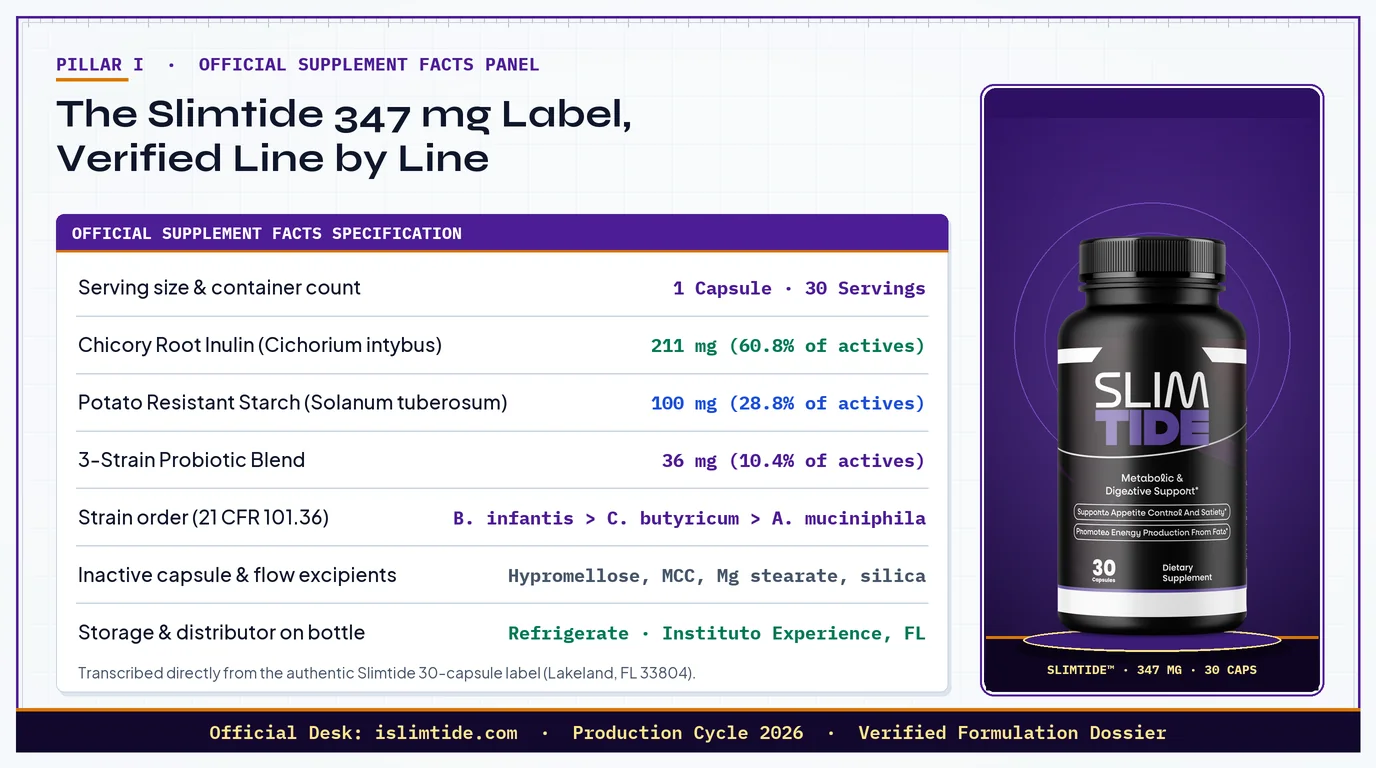
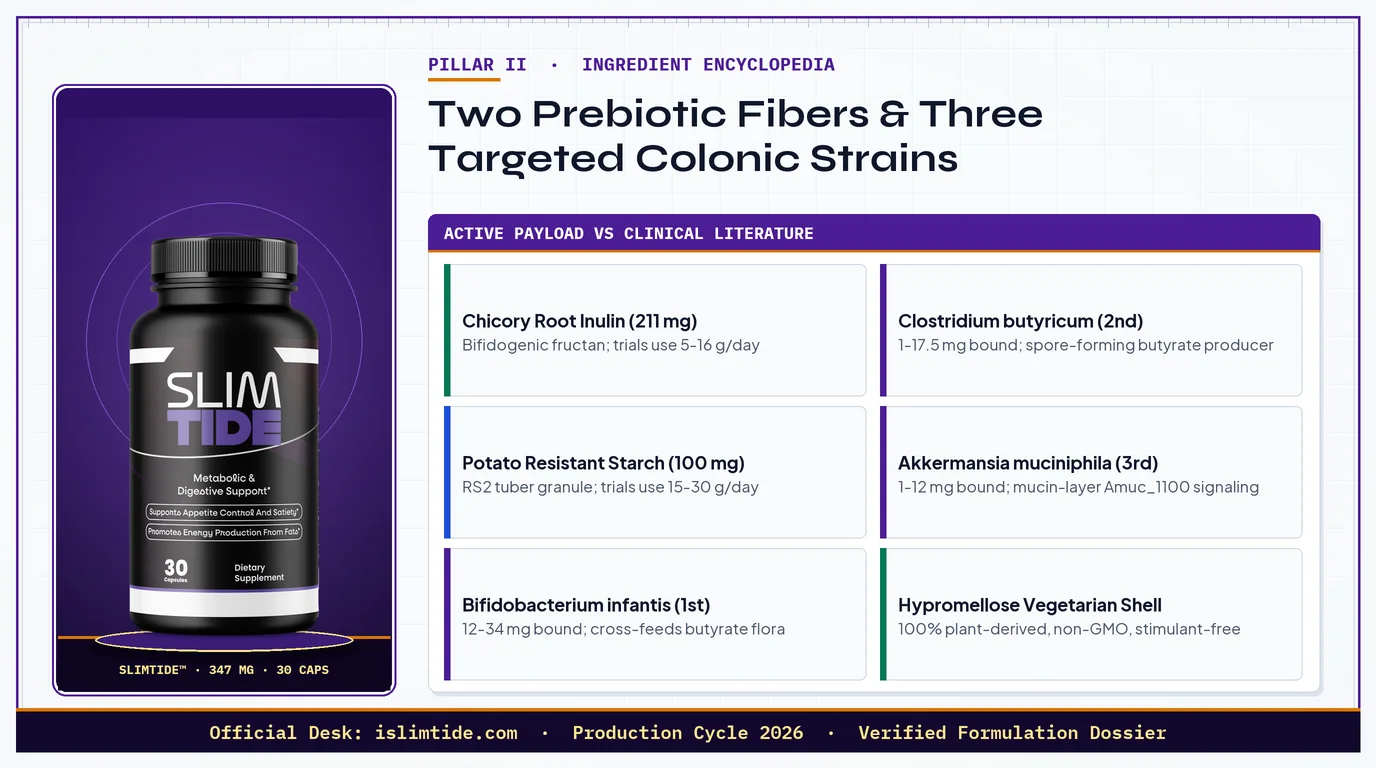
Slimtide is a stimulant-free, once-daily 347 mg synbiotic capsule formulated without caffeine, synephrine, yohimbine, senna, cascara, or synthetic thermogenic amines [1]. Because its active mechanism relies on colonic saccharolytic fermentation of 211 mg Chicory Root Inulin and 100 mg Potato Resistant Starch alongside a 36 mg three-strain Probiotic Blend (Bifidobacterium infantis, Clostridium butyricum, and Akkermansia muciniphila), its clinical tolerability profile centers on luminal gas dynamics, osmotic water shifts during the first 10 to 14 days, and strict temporal spacing around oral prescription medications [2,3,4,5].

Why a 347 mg Micro-Capsule Behaves Differently From Bulk Fiber Powders
In clinical nutrition trials, isolated chicory inulin or raw potato resistant starch is frequently administered as an unencapsulated bulk powder at doses ranging from 5,000 mg (5 g) to 24,000 mg (24 g) per day [6,7,8]. At those multi-gram intakes, rapid bacterial cleavage of beta-(2,1) fructans and alpha-(1,4)/alpha-(1,6) amylose polymers generates substantial volumes of intraluminal hydrogen ($H_2$), carbon dioxide ($CO_2$), and methane ($CH_4$), frequently triggering acute abdominal distension, borborygmi (audible bowel sounds), and osmotic stool loosening [6,8,9].
Our formulation bench engineered the Slimtide Supplement Facts profile as a compact, single-capsule 347 mg synbiotic payload containing exactly 211 mg of Chicory Root Inulin (Cichorium intybus root) and 100 mg of Potato Resistant Starch (Solanum tuberosum tuber), paired directly with 36 mg of targeted saccharolytic and mucin-niche bacteria [1]. Delivering 311 mg of total prebiotic carbohydrate inside a size-0 hypromellose shell keeps luminal gas production orders of magnitude below the flatulence threshold of bulk fiber scoops while still supplying a concentrated local co-substrate as the capsule hydrates and disperses in the ileocecal region [9,10].
Official Slimtide Tolerability & Safety Benchmarks
- Total active synbiotic mass per once-daily vegetarian capsule (
311 mgprebiotic fibers +36 mgprobiotic blend) [1] - 347 mg
- Added caffeine, green tea catechins, bitter orange, stimulant alkaloids, or anthraquinone laxatives [1]
- 0 mg
Because Slimtide contains zero central nervous system stimulants or cardiac sympathomimetics, users do not experience tachycardia, blood pressure spikes, jitteriness, afternoon cortisol crashes, or sleep-architecture disruption [1]. Likewise, because the formula excludes senna leaf, cascara sagrada, castor oil, and high-dose magnesium oxide, it does not induce secretory diarrhea, colonic melanosis, or laxative dependency.
The 14-Day Gastrointestinal Adaptation Curve: What to Expect Week by Week
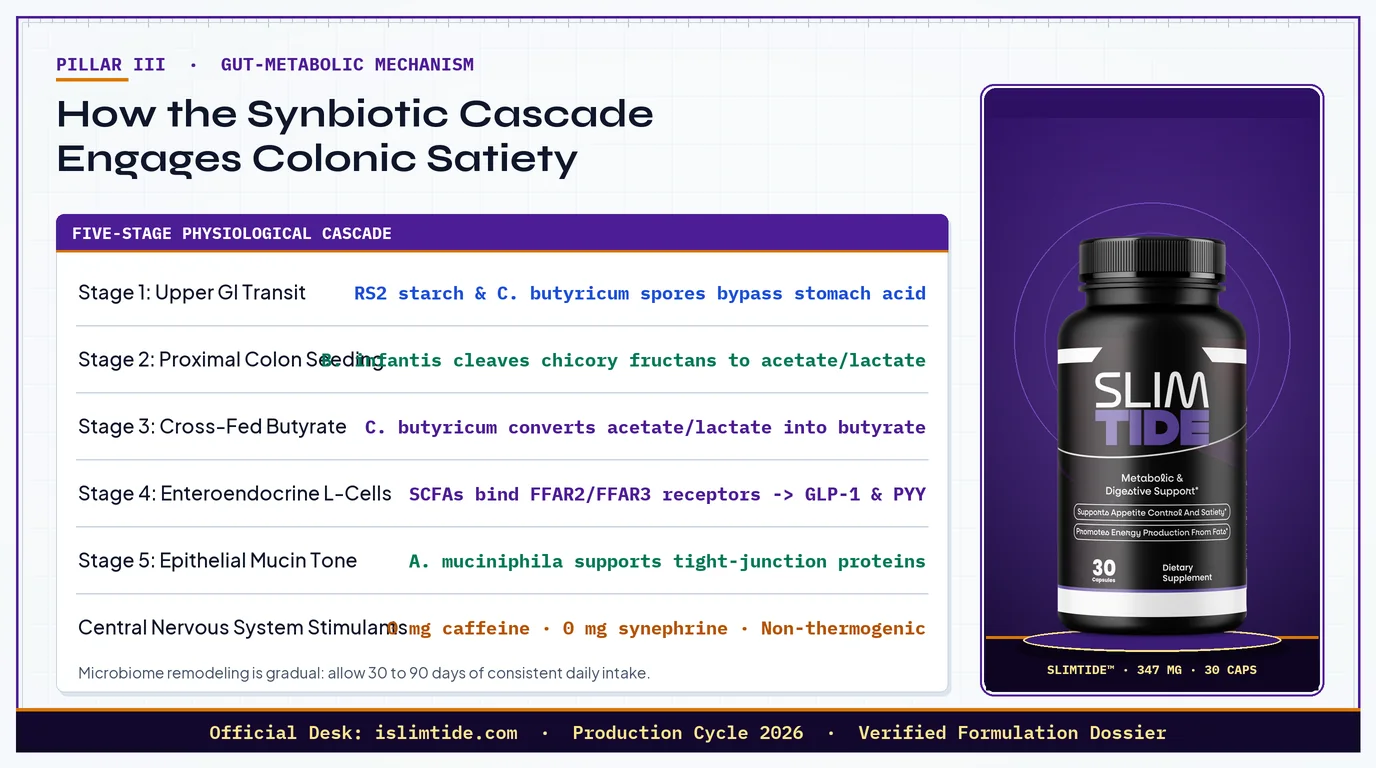
Even at a precision 347 mg daily serving, introducing exogenous beta-(2,1) fructans, type-2 resistant starch granules, and live or reviving microbial strains (Bifidobacterium infantis, Clostridium butyricum, and Akkermansia muciniphila) shifts the metabolic activity of the resident colonic microbiota [2,11,3]. Understanding the normal physiological timeline helps distinguish expected microbial colonization and short-chain fatty acid (SCFA) upregulation from symptoms that warrant clinical attention.
| Protocol Phase | Luminal Physiological Activity | Possible Transient Sensations | Recommended User Action |
|---|---|---|---|
| Days 1 to 4 (Initial Hydration & Excipient Dispersion) | Capsule shell dissolves; 211 mg inulin and 100 mg RS2 hydrate with 8 oz. water; C. butyricum endospores germinate in the lower small intestine and cecum [3,1]. | Mild awareness of digestive motility, subtle afternoon rumbling (borborygmi), or slight shift in stool softness. | Take strictly with a full 8 oz. (240 mL) glass of cool or room-temperature water alongside breakfast or lunch [1]. |
| Days 5 to 10 (Cross-Feeding & SCFA Ramp) | B. infantis cleaves oligofructose fractions into acetate and lactate; C. butyricum converts resistant starch and acetate into butyrate; luminal pH drops slightly [10,3]. | Mild, non-painful evening gas or a shift toward one well-formed daily bowel movement as butyrate supports colonocyte sodium-water absorption [12]. | Maintain consistent daily timing; add an extra 8 oz. glass of water mid-afternoon; avoid doubling the capsule dose [1]. |
| Days 11 to 14 (Mucosal & Motility Stabilization) | Cross-feeding guild reaches equilibrium; hydrogen-consuming acetogens and butyrate producers reduce free intraluminal gas volume [10,13]. | Baseline bloat and post-meal heaviness typically subside; stool rating stabilizes toward Bristol Stool Scale Types 3 to 4. | Continue standard 1-capsule daily protocol; log waist comfort and post-meal satiety in your 90-day tracking calendar. |
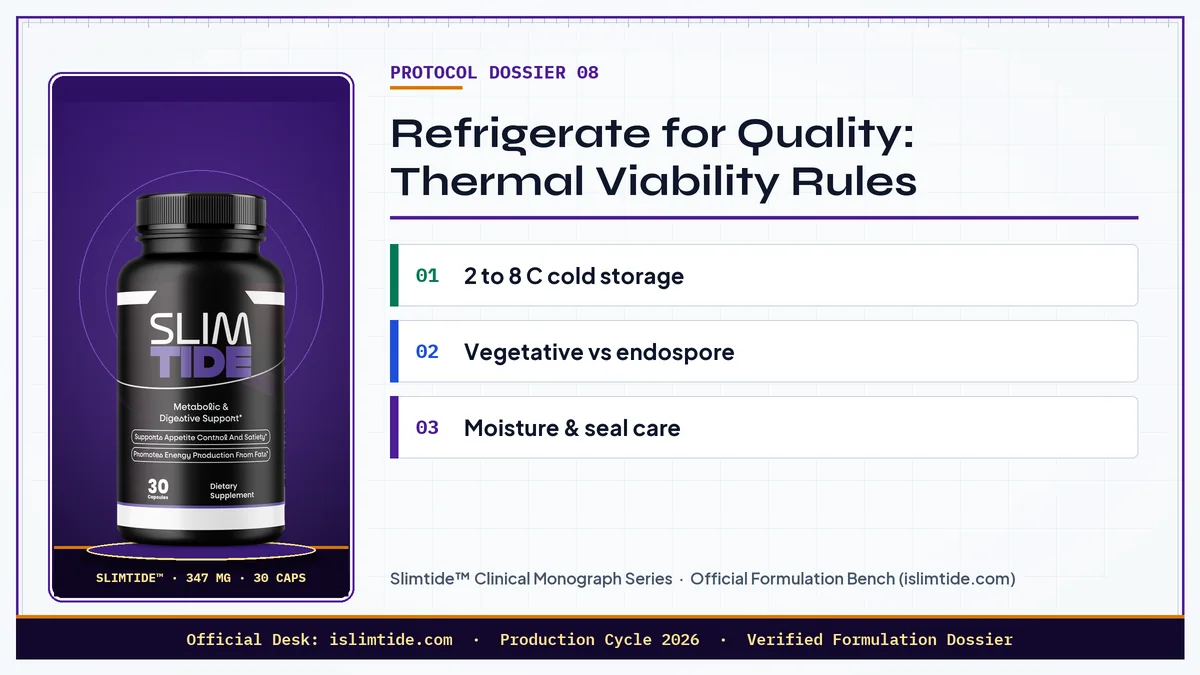
| Days 15 to 90+ (Steady-State Synbiotic Maintenance) | Sustained SCFA engagement of colonic L-cell FFAR2/FFAR3 receptors and A. muciniphila outer-membrane protein signaling along the mucin layer [14,15,2]. | Predictable bowel regularity, calmer postprandial appetite trajectory, and stable digestive comfort [6,2]. | Keep opened bottle refrigerated (36 F to 46 F) and complete full 60-to-90-day evaluation window [1,16]. |
If mild bloating or increased flatus occurs during the first week in individuals with highly sensitive bowels or low baseline dietary fiber intake, taking the single daily capsule midway through a solid meal (rather than on an empty stomach) slows gastric emptying and distributes prebiotic arrival across the ileocecal valve over several hours [9,11]. Never exceed one (1) capsule per 24-hour period; taking multiple capsules does not accelerate metabolic signaling and unnecessarily increases luminal osmotic load [1].
Ingredient-by-Ingredient Clinical Safety & Human Trial Tolerability
Every active component and inactive excipient on the Slimtide label has an established human clinical safety record in peer-reviewed gastroenterology and metabolic literature:
- Chicory Root Inulin (
211 mg, Cichorium intybus root): Classified as a non-digestible fructan dietary fiber with widespread food and supplement regulatory recognition [9]. Controlled trials at8 g/dayto21 g/dayconfirm safety across multi-month interventions, with dose-dependent flatulence occurring primarily above10 g/day[6,7,17]. At211 mg(0.211 g), Slimtide delivers approximately1/45thof the dose associated with osmotic cramping, though individuals with a rare IgE-mediated allergy to the Asteraceae/Compositae plant family (ragweed, chrysanthemums, marigolds, daisies, or chicory) should avoid chicory-derived extracts [18]. - Potato Resistant Starch (
100 mg, Solanum tuberosum tuber): Raw potato starch granules represent native type-2 resistant starch (RS2), which ferments more slowly and distally in the colon than soluble fructans [8,19]. Clinical studies show that RS2 generates a lower peak gas evolution rate per gram than rapid-fermenting oligosaccharides while yielding a high molar ratio of butyrate [8,20]. - Bifidobacterium longum subsp. infantis (first strain in the
36 mgProbiotic Blend): One of the most extensively studied human commensal bifidobacteria. In the landmark 362-patient randomized controlled trial by Whorwell et al., B. infantis 35624 administered for 4 weeks demonstrated an adverse event profile indistinguishable from placebo while significantly improving composite abdominal discomfort and bowel satisfaction scores [11,21]. - Clostridium butyricum (second strain in the
36 mgProbiotic Blend): Strictly non-toxigenic, butyrate-producing commensal strains of C. butyricum (such as CBM 588 and MIYAIRI 588) have been used clinically in Asia for over six decades and hold Novel Food regulatory authorization in the European Union and GRAS evaluations in the United States [3,22,23]. Genomic sequencing confirms that probiotic C. butyricum strains lack the neurotoxin or clostridial cytotoxin genes found in pathogenic Clostridium species [3,24]. - Akkermansia muciniphila (third strain in the
36 mgProbiotic Blend): Evaluated in the randomized, double-blind, placebo-controlled human proof-of-concept trial by Depommier et al. (Nature Medicine, 2019), daily oral administration of10^10live or pasteurized A. muciniphila cells for 3 months was safe and well tolerated, with zero treatment-related serious adverse events and improved hepatic and white blood cell markers compared with baseline [2,15,25]. - Inactive Excipient Safety (
Hypromellose, Microcrystalline Cellulose, Magnesium Stearate, Silica): Slimtide uses a plant-derived hypromellose (HPMC) vegetarian capsule rather than porcine or bovine gelatin, alongside inert USP-grade flow agents in trace milligram quantities [1]. The capsule is free of dairy lactose, gluten, soy protein, shellfish, artificial dyes, and titanium dioxide [1].
Prescription Drug-Supplement Interactions & Temporal Spacing Matrix
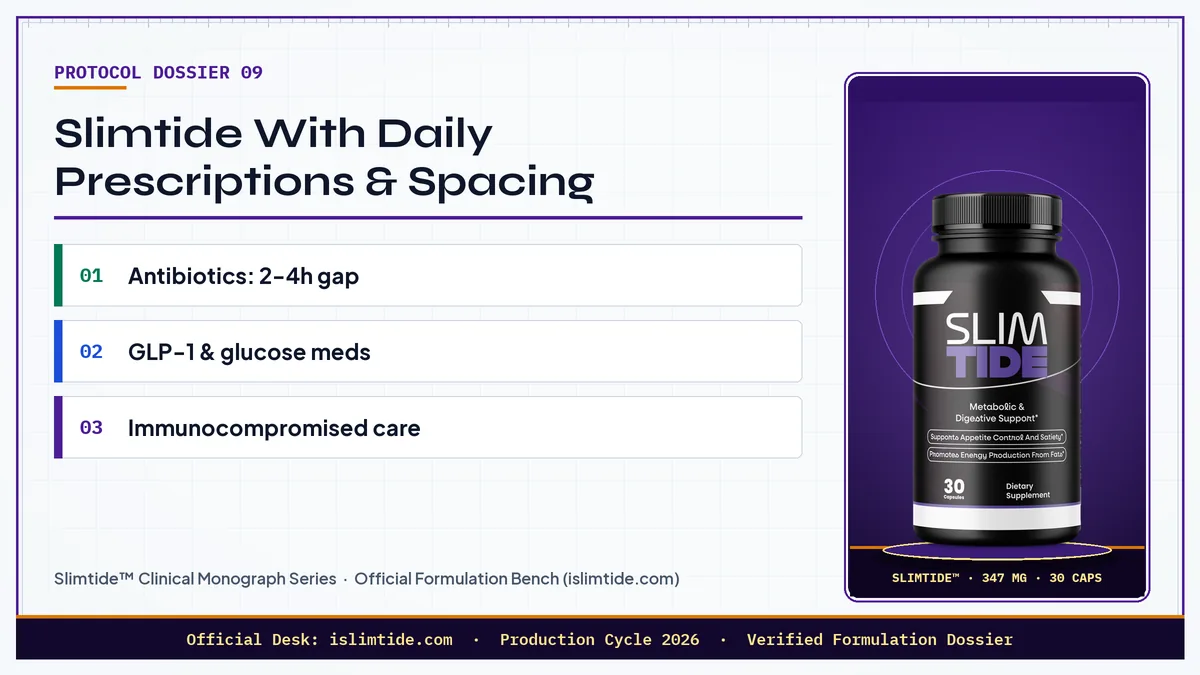
While prebiotic fibers and commensal microbes do not induce or inhibit hepatic cytochrome P450 (CYP3A4, CYP2D6, or CYP2C9) isoenzymes directly, physical and antimicrobial interactions occur within the gastrointestinal lumen [4,5,26]. Follow our medication spacing monograph and the clinical interaction matrix below when coordinating Slimtide with daily prescriptions.
| Medication Class | Representative Agents | Interaction Mechanism | Mandatory Spacing & Clinical Protocol |
|---|---|---|---|
| Oral Antibiotics | Amoxicillin-clavulanate, doxycycline, azithromycin, ciprofloxacin, clindamycin, metronidazole | Direct bactericidal or bacteriostatic inactivation of live B. infantis and germinating C. butyricum cells inside the stomach and small intestine [4,3]. | Space Slimtide at least 2 to 4 hours apart from every antibiotic tablet or capsule; continue for 2 to 4 weeks after finishing the antibiotic course [4,27]. |
| GLP-1 & GIP Receptor Agonists | Semaglutide, tirzepatide, liraglutide, dulaglutide | Pharmacological GLP-1 agonists markedly delay gastric emptying; concurrent prebiotic fermentation and endogenous SCFA-GLP-1 signaling may compound early fullness or nausea [14,5]. | Consult your prescribing physician before combining; take Slimtide with a lighter meal and full 8 oz. water; monitor for excessive gastric fullness [1,5]. |
| Oral Antidiabetics & Insulin | Metformin, sulfonylureas (glipizide, glimepiride), SGLT2 inhibitors, basal/bolus insulin | Synbiotic SCFA production and A. muciniphila barrier support may gradually improve insulin sensitivity and postprandial glucose curves over 8 to 12 weeks [2,28,19]. | Discuss with your endocrinologist or primary care physician; maintain routine home blood glucose monitoring to prevent additive hypoglycemia [5]. |
| Narrow-Therapeutic-Index Oral Drugs | Levothyroxine, warfarin, digoxin, oral contraceptives, tacrolimus | Plant fibers (211 mg inulin + 100 mg starch) and microcrystalline cellulose can modestly bind or alter transit timing of sensitive low-dose molecules if swallowed simultaneously [5]. | Take levothyroxine on an empty stomach upon waking as prescribed, and take Slimtide at least 2 to 4 hours later with lunch or dinner [5]. |
| Systemic Immunosuppressants & Biologics | Cyclosporine, mycophenolate, high-dose corticosteroids, cytotoxic chemotherapy, anti-TNF agents | Severe host immunosuppression combined with mucosal barrier breakdown theoretically elevates risk of microbial translocation across the gut wall [29,30,4]. | Contraindicated without explicit specialist clearance. Do not initiate any live microbial supplement during active chemotherapy or severe neutropenia [29,4]. |
| Proton Pump Inhibitors (PPIs) & H2 Blockers | Omeprazole, pantoprazole, esomeprazole, famotidine | Elevated gastric pH increases vegetative probiotic survival through the stomach, altering upper-GI colonization kinetics [4,31]. | Safe to co-administer; discuss chronic PPI therapy with your gastroenterologist if you have a history of small intestinal bacterial overgrowth (SIBO) [31]. |
Contraindications & Populations Requiring Pre-Use Medical Clearance
Although Slimtide is formulated for healthy adults seeking daily digestive and metabolic support, specific clinical populations must obtain clearance from a licensed physician before opening a bottle, or avoid live microbial supplements altogether [29,30,4,32]:
How to Report an Adverse Event or Request Lot Quality Verification
Every production run of Slimtide is manufactured in the United States in an FDA-registered facility operating under 21 CFR Part 111 Current Good Manufacturing Practice (cGMP) regulations for Instituto Experience, Lakeland, FL 33804 [34,1]. If you experience persistent abdominal pain, fever, severe diarrhea lasting more than 48 hours, hives, facial or throat swelling, or any unexpected symptom after taking Slimtide:
Frequently Asked Questions
Does Slimtide cause jitteriness, rapid heart rate, or insomnia?
No. Slimtide contains zero milligrams of caffeine, green tea extract, synephrine, yohimbine, or synthetic stimulants [1]. Its 347 mg active payload consists solely of prebiotic dietary fibers (211 mg Chicory Root Inulin and 100 mg Potato Resistant Starch) and a 36 mg three-strain Probiotic Blend, so it can be taken at breakfast, lunch, or dinner without affecting heart rate or sleep architecture [1,2].
Why might I notice mild gas or a change in bowel movements during the first week?
When 211 mg of chicory inulin and 100 mg of potato resistant starch reach the cecum alongside Bifidobacterium infantis and Clostridium butyricum, saccharolytic fermentation produces short-chain fatty acids (acetate, propionate, and butyrate) and small amounts of fermentation gases [10,3]. This microbial adjustment typically settles within 10 to 14 days of consistent daily intake with an 8 oz. glass of water [11,1].
Can I take Slimtide if I am prescribed a daily thyroid pill like levothyroxine?
Yes, provided you separate them properly. Because dietary fibers and capsule excipients can mildly bind oral thyroid hormones if swallowed together, take your levothyroxine upon waking as directed by your doctor and wait at least 2 to 4 hours before taking your Slimtide capsule with lunch or dinner [5].
What happens if I accidentally take two Slimtide capsules in one day?
Taking two capsules (694 mg total active payload) on a single occasion is unlikely to cause harm in a healthy adult beyond temporary mild gas or softer stool, because clinical fiber trials routinely test 5,000 mg to 20,000 mg per day [6,7]. However, simply resume your normal one-capsule daily schedule the next day and follow the printed label rule: do not exceed one capsule daily [1].
Is Slimtide safe for people with lactose intolerance, gluten sensitivity, or vegetarian diets?
Yes. The Slimtide capsule uses a plant-based hypromellose vegetarian shell and contains only microcrystalline cellulose, magnesium stearate, and silica as inactive ingredients [1]. It is vegetarian, non-GMO, and formulated without dairy lactose or gluten.
Scientific & Regulatory References
Numbered in order of first appearance on this page. Primary peer-reviewed citations link directly to PubMed (NCBI/NLM) and eCFR records verified on November 15, 2026.
- Slimtide Official Supplement Facts Panel (30 Capsules; 211 mg Chicory Root Inulin, 100 mg Potato Resistant Starch, 36 mg Probiotic Blend; Distributed by Instituto Experience, Lakeland FL 33804). Verified November 15, 2026. Official Record
- Depommier C, Everard A, Druart C, et al. Supplementation with Akkermansia muciniphila in overweight and obese human volunteers: a proof-of-concept exploratory study. Nat Med. 2019;25(7):1096-1103. PMID 31263284. PubMed
- Stoeva MK, Garcia-So J, Justice N, et al. Butyrate-producing human gut symbiont, Clostridium butyricum, and its role in health and disease. Gut Microbes. 2021;13(1):1-28. PMID 33874858. PubMed
- NIH Office of Dietary Supplements. Probiotics: Fact Sheet for Health Professionals. Official Record
- U.S. Food and Drug Administration. Mixing Medications and Dietary Supplements Can Endanger Your Health. Official Record
- Cani PD, Lecourt E, Dewulf EM, et al. Gut microbiota fermentation of prebiotics increases satietogenic and incretin gut peptide production with consequences for appetite sensation and glucose response after a meal. Am J Clin Nutr. 2009;90(5):1236-43. PMID 19776140. PubMed
- Guess ND, Dornhorst A, Oliver N, et al. A randomized controlled trial: the effect of inulin on weight management and ectopic fat in subjects with prediabetes. Nutr Metab (Lond). 2015;12:36. PMID 26500686. PubMed
- Birt DF, Boylston T, Hendrich S, et al. Resistant starch: promise for improving human health. Adv Nutr. 2013;4(6):587-601. PMID 24228189. PubMed
- Gibson GR, Hutkins R, Sanders ME, et al. Expert consensus document: The International Scientific Association for Probiotics and Prebiotics (ISAPP) consensus statement on the definition and scope of prebiotics. Nat Rev Gastroenterol Hepatol. 2017;14(8):491-502. PMID 28611480. PubMed
- Rivière A, Selak M, Lantin D, et al. Bifidobacteria and Butyrate-Producing Colon Bacteria: Importance and Strategies for Their Stimulation in the Human Gut. Front Microbiol. 2016;7:979. PMID 27446020. PubMed
- Whorwell PJ, Altringer L, Morel J, et al. Efficacy of an encapsulated probiotic Bifidobacterium infantis 35624 in women with irritable bowel syndrome. Am J Gastroenterol. 2006;101(7):1581-90. PMID 16863564. PubMed
- Koh A, De Vadder F, Kovatcheva-Datchary P, et al. From Dietary Fiber to Host Physiology: Short-Chain Fatty Acids as Key Bacterial Metabolites. Cell. 2016;165(6):1332-1345. PMID 27259147. PubMed
- Blaak EE, Canfora EE, Theis S, et al. Short chain fatty acids in human gut and metabolic health. Benef Microbes. 2020;11(5):411-455. PMID 32865024. PubMed
- Tolhurst G, Heffron H, Lam YS, et al. Short-chain fatty acids stimulate glucagon-like peptide-1 secretion via the G-protein-coupled receptor FFAR2. Diabetes. 2012;61(2):364-71. PMID 22190648. PubMed
- Plovier H, Everard A, Druart C, et al. A purified membrane protein from Akkermansia muciniphila or the pasteurized bacterium improves metabolism in obese and diabetic mice. Nat Med. 2017;23(1):107-113. PMID 27892954. PubMed
- Slimtide U.S. Fulfillment, Transit & Cold-Storage Guidelines. Verified November 15, 2026. Official Record
- Dewulf EM, Cani PD, Claus SP, et al. Insight into the prebiotic concept: lessons from an exploratory, double blind intervention study with inulin-type fructans in obese women. Gut. 2013;62(8):1112-21. PMID 23135760. PubMed
- Vandeputte D, Falony G, Vieira-Silva S, et al. Prebiotic inulin-type fructans induce specific changes in the human gut microbiota. Gut. 2017;66(11):1968-1974. PMID 28213610. PubMed
- Robertson MD, Bickerton AS, Dennis AL, et al. Insulin-sensitizing effects of dietary resistant starch and effects on skeletal muscle and adipose tissue metabolism. Am J Clin Nutr. 2005;82(3):559-67. PMID 16155268. PubMed
- Topping DL, Clifton PM. Short-chain fatty acids and human colonic function: roles of resistant starch and nonstarch polysaccharides. Physiol Rev. 2001;81(3):1031-64. PMID 11427691. PubMed
- O'Mahony L, McCarthy J, Kelly P, et al. Lactobacillus and bifidobacterium in irritable bowel syndrome: symptom responses and relationship to cytokine profiles. Gastroenterology. 2005;128(3):541-51. PMID 15765388. PubMed
- Kato M, Hamazaki Y, Sun S, et al. Clostridium butyricum MIYAIRI 588 Increases the Lifespan and Multiple-Stress Resistance of Caenorhabditis elegans. Nutrients. 2018;10(12). PMID 30563064. PubMed
- Chen D, Jin D, Huang S, et al. Clostridium butyricum, a butyrate-producing probiotic, inhibits intestinal tumor development through modulating Wnt signaling and gut microbiota. Cancer Lett. 2020;469:456-467. PMID 31734354. PubMed
- Paz Del Socorro T, Oka K, Boulard O, et al. The biotherapeutic Clostridium butyricum MIYAIRI 588 strain potentiates enterotropism of Rorγt(+)Treg and PD-1 blockade efficacy. Gut Microbes. 2024;16(1):2315631. PMID 38385162. PubMed
- Cani PD, Depommier C, Derrien M, et al. Akkermansia muciniphila: paradigm for next-generation beneficial microorganisms. Nat Rev Gastroenterol Hepatol. 2022;19(10):625-637. PMID 35641786. PubMed
- Vitetta L, Coulson S, Thomsen M, et al. Probiotics, D-Lactic acidosis, oxidative stress and strain specificity. Gut Microbes. 2017;8(4):311-322. PMID 28080206. PubMed
- National Center for Complementary and Integrative Health. Probiotics: Usefulness and Safety. Official Record
- Perraudeau F, McMurdie P, Bullard J, et al. Improvements to postprandial glucose control in subjects with type 2 diabetes: a multicenter, double blind, randomized placebo-controlled trial of a novel probiotic formulation. BMJ Open Diabetes Res Care. 2020;8(1). PMID 32675291. PubMed
- Doron S, Snydman DR. Risk and safety of probiotics. Clin Infect Dis. 2015;60 Suppl 2(Suppl 2):S129-34. PMID 25922398. PubMed
- Sanders ME, Akkermans LM, Haller D, et al. Safety assessment of probiotics for human use. Gut Microbes. 2010;1(3):164-85. PMID 21327023. PubMed
- Wauters L, Slaets H, De Paepe K, et al. Efficacy and safety of spore-forming probiotics in the treatment of functional dyspepsia: a pilot randomised, double-blind, placebo-controlled trial. Lancet Gastroenterol Hepatol. 2021;6(10):784-792. PMID 34358486. PubMed
- Slimtide Official DSHEA & Medical Disclaimer. Verified November 15, 2026. Official Record
- Halmos EP. When the low FODMAP diet does not work. J Gastroenterol Hepatol. 2017;32 Suppl 1:69-72. PMID 28244666. PubMed
- 21 CFR Part 111. Current Good Manufacturing Practice in Manufacturing, Packaging, Labeling, or Holding Operations for Dietary Supplements. Official Record
- Slimtide Official Customer Support Directory (+1 507-448-8190, [email protected], BuyGoods Order Support +1 866-838-5063). Verified November 15, 2026. Official Record
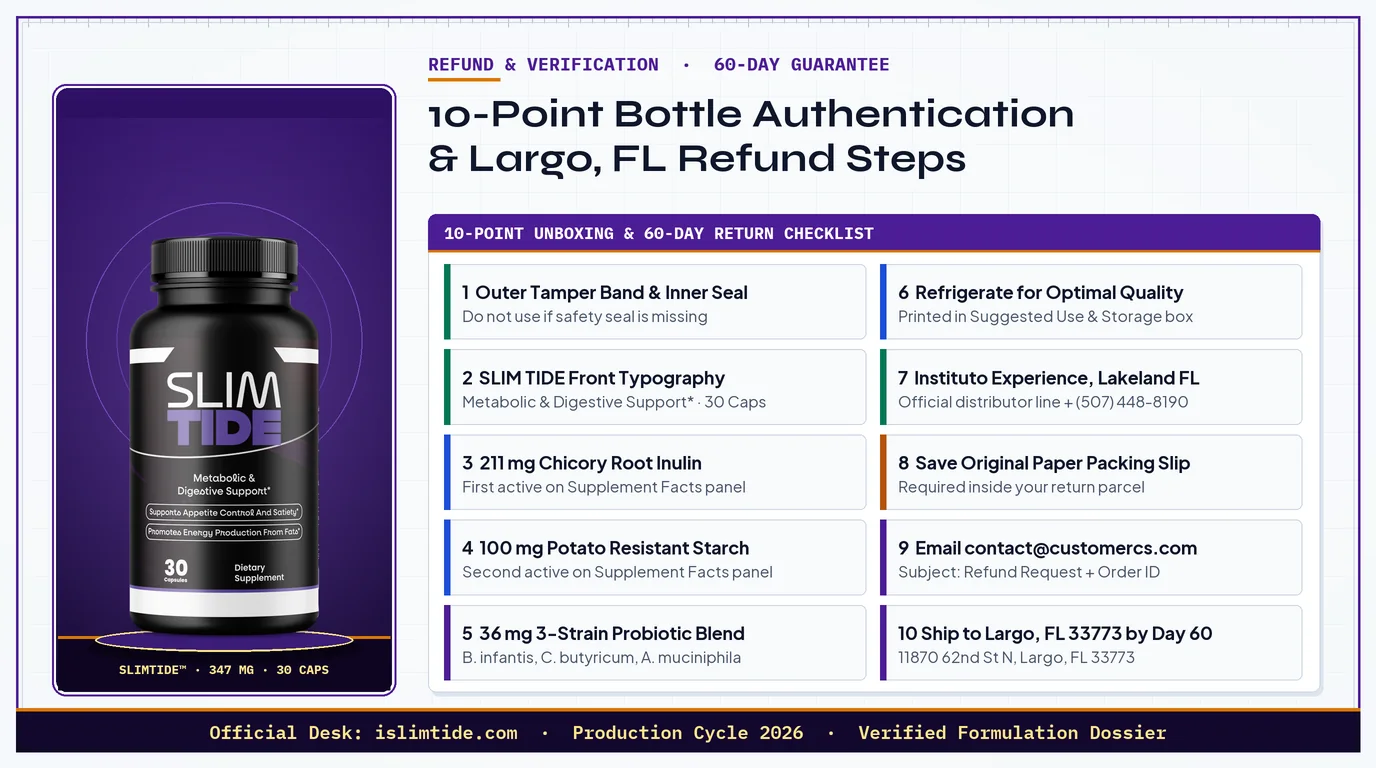
- Slimtide Official 60-Day Money-Back Guarantee & Return Protocol (Instituto Experience Return Depot, 11870 62nd St N, Largo, FL 33773). Verified November 15, 2026. Official Record
- U.S. Food and Drug Administration. MedWatch: The FDA Safety Information and Adverse Event Reporting Program. Official Record