Official Physiological Mechanism Dossier · Enteroendocrine & Mucosal Axis
How Slimtide™ Works: The Five-Stage Synbiotic Cascade From Colonic SCFAs to GLP-1, PYY & Barrier Integrity
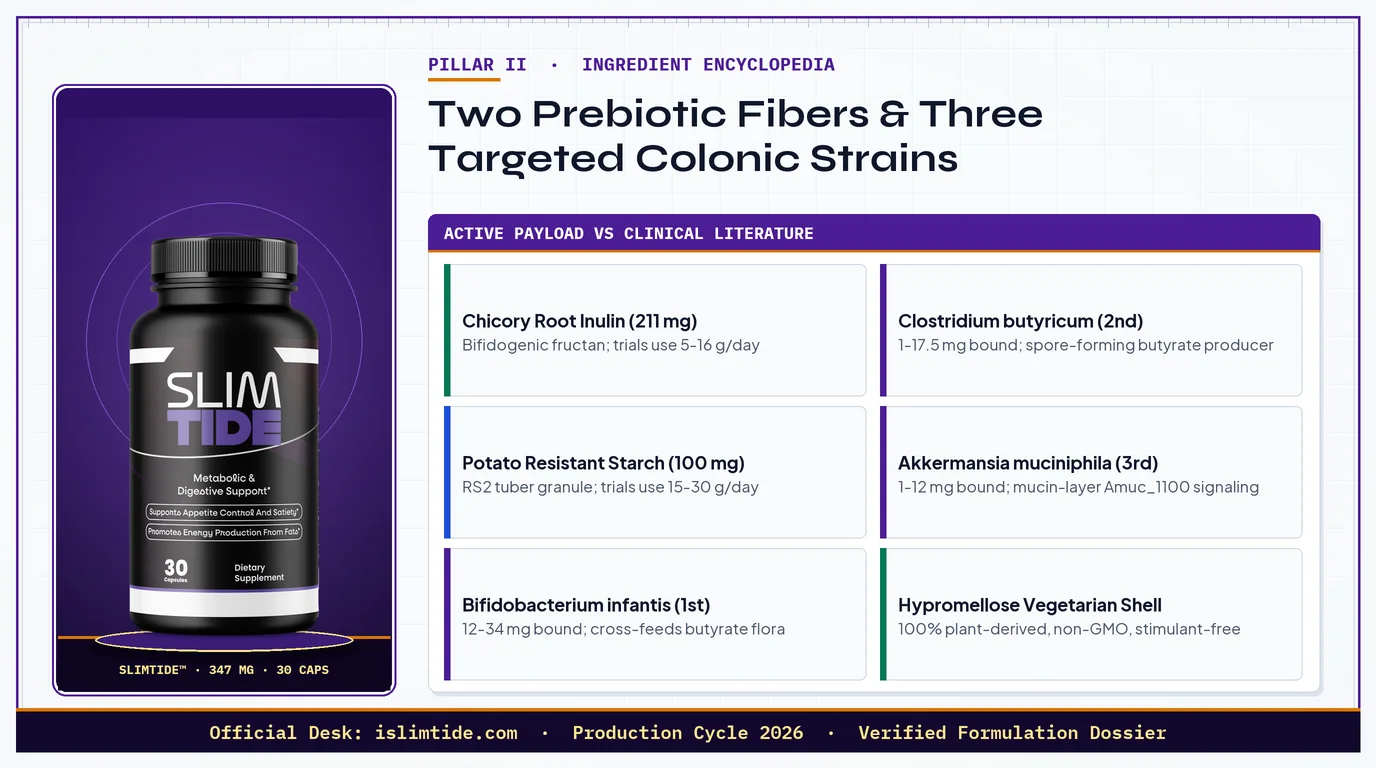
Unlike thermogenic diet pills that flood the central nervous system with anhydrous caffeine or phenethylamine alkaloids to force a temporary spike in heart rate and blood pressure, Slimtide™ operates entirely within the gastrointestinal lumen and the gut-brain-metabolic signaling axis [1,2]. Each 347 mg once-daily capsule initiates a coordinated five-stage biochemical cascade: (1) upper-gastrointestinal survival of resistant starch granules and bacterial endospores, (2) proximal colonic fructan cleavage via the Bifidobacterium infantis bifid shunt, (3) syntrophic n-butyrate cross-feeding by Clostridium butyricum, (4) activation of enteroendocrine L-cell FFAR2 (GPR43) and FFAR3 (GPR41) receptors to release endogenous GLP-1 and PYY satiety peptides, and (5) fortification of the intestinal mucus barrier and tight junctions via Akkermansia muciniphila Amuc_1100 -> TLR2 signaling [3,4,5]. Here is the complete physiological walkthrough and 90-day adaptation timeline.
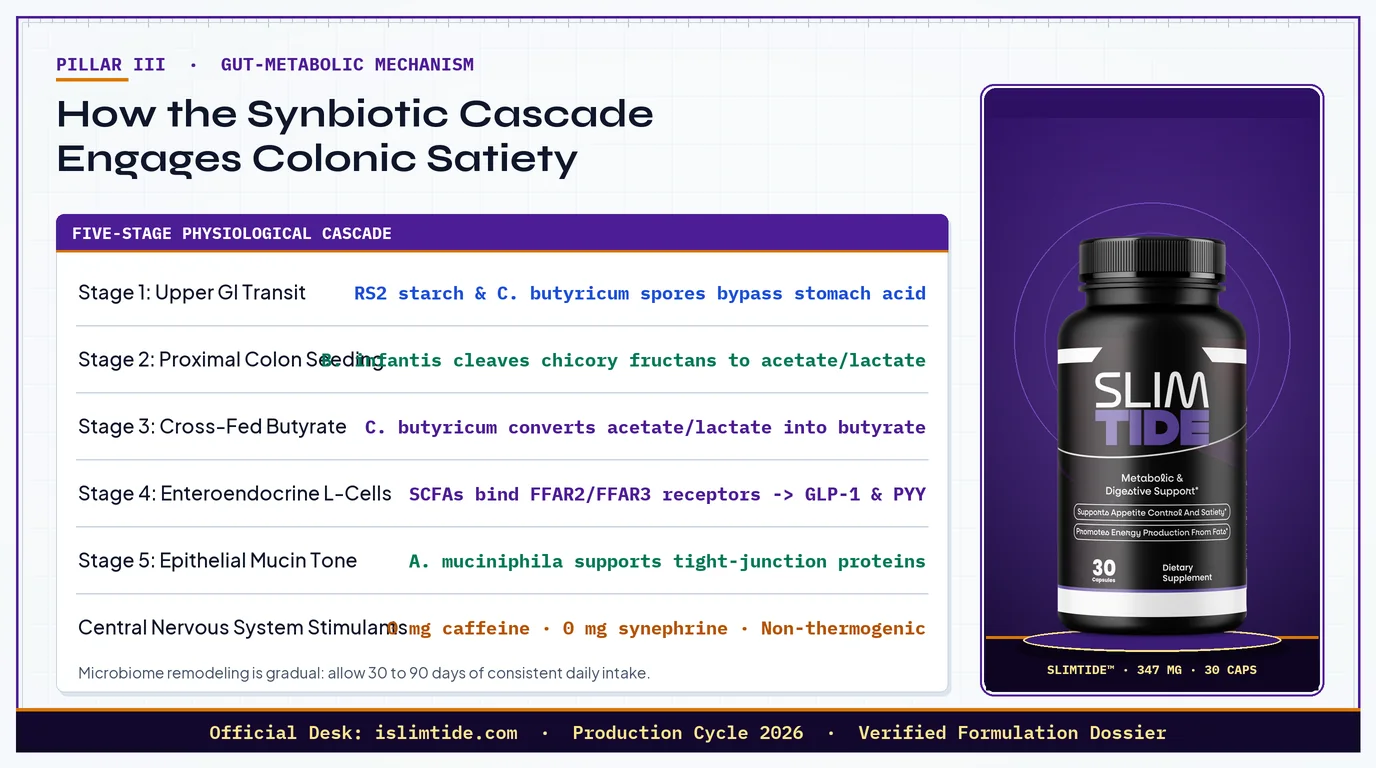
Five-Stage Physiological Pathway Telemetry
- Gastric & Duodenal Transit (0 - 3 Hours · Acid & Bile Bypass)
- Stage 01
- Cecal Fructan Hydrolysis (3 - 6 Hours · B. infantis Acetate & Lactate)
- Stage 02
- Syntrophic Butyrate Engine (6 - 14 Hours · C. butyricum C4 Synthesis)
- Stage 03
- Enteroendocrine L-Cell Axis (
FFAR2/FFAR3-> EndogenousGLP-1&PYY) - Stage 04
- Mucin & Tight-Junction Seal (A. muciniphila
Amuc_1100->TLR2&ZO-1) - Stage 05
- Ecological Colonization & Metabolic Remodeling Horizon
- 30 - 90 Days
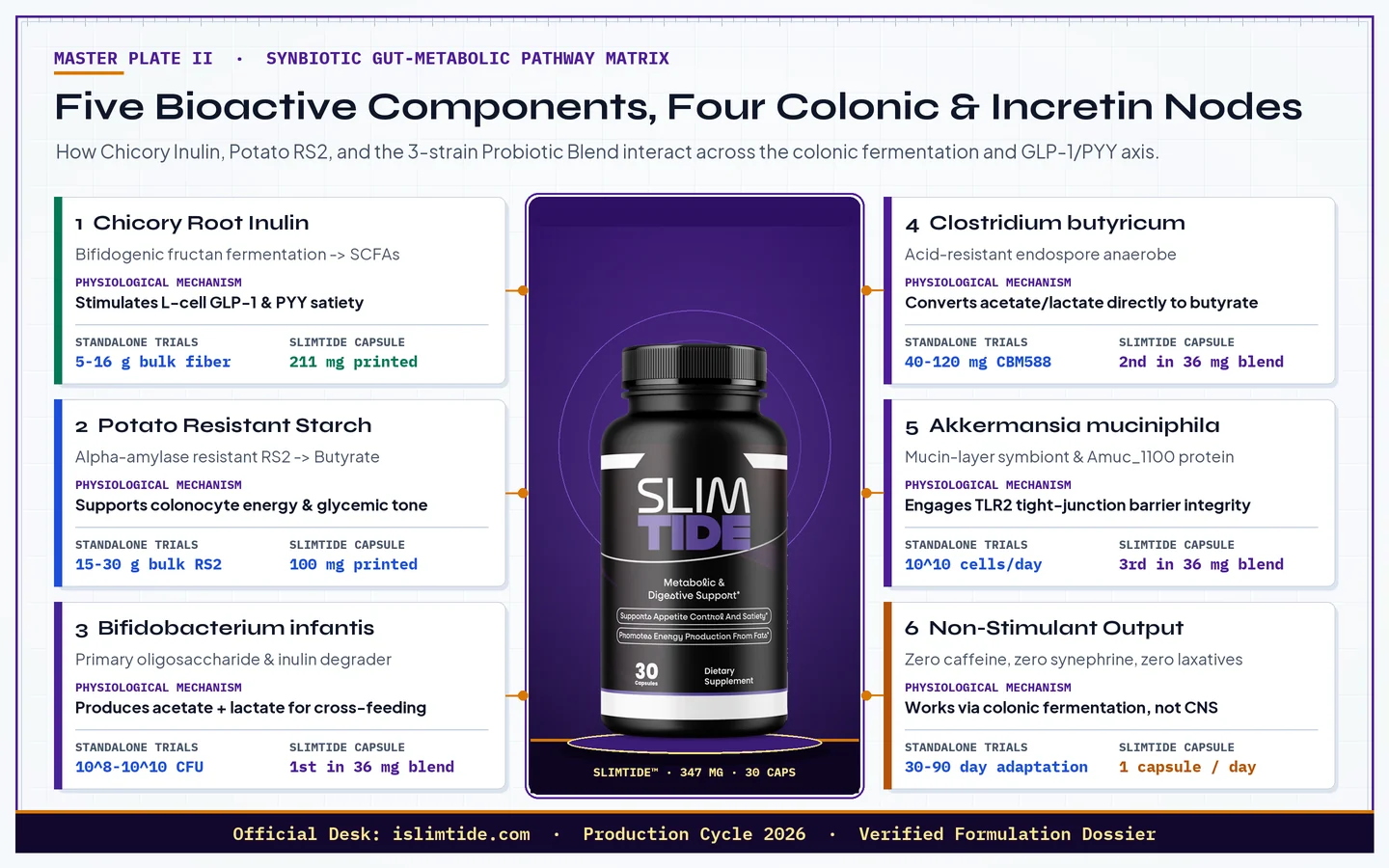
acetate C2, propionate C3, butyrate C4), L-cell GPCR activation, and tight-junction assembly [6,3,4].Stage 1: Upper-Gastrointestinal Transit, Enzymatic Bypass, and Endospore Shielding (Hours 0 to 3)
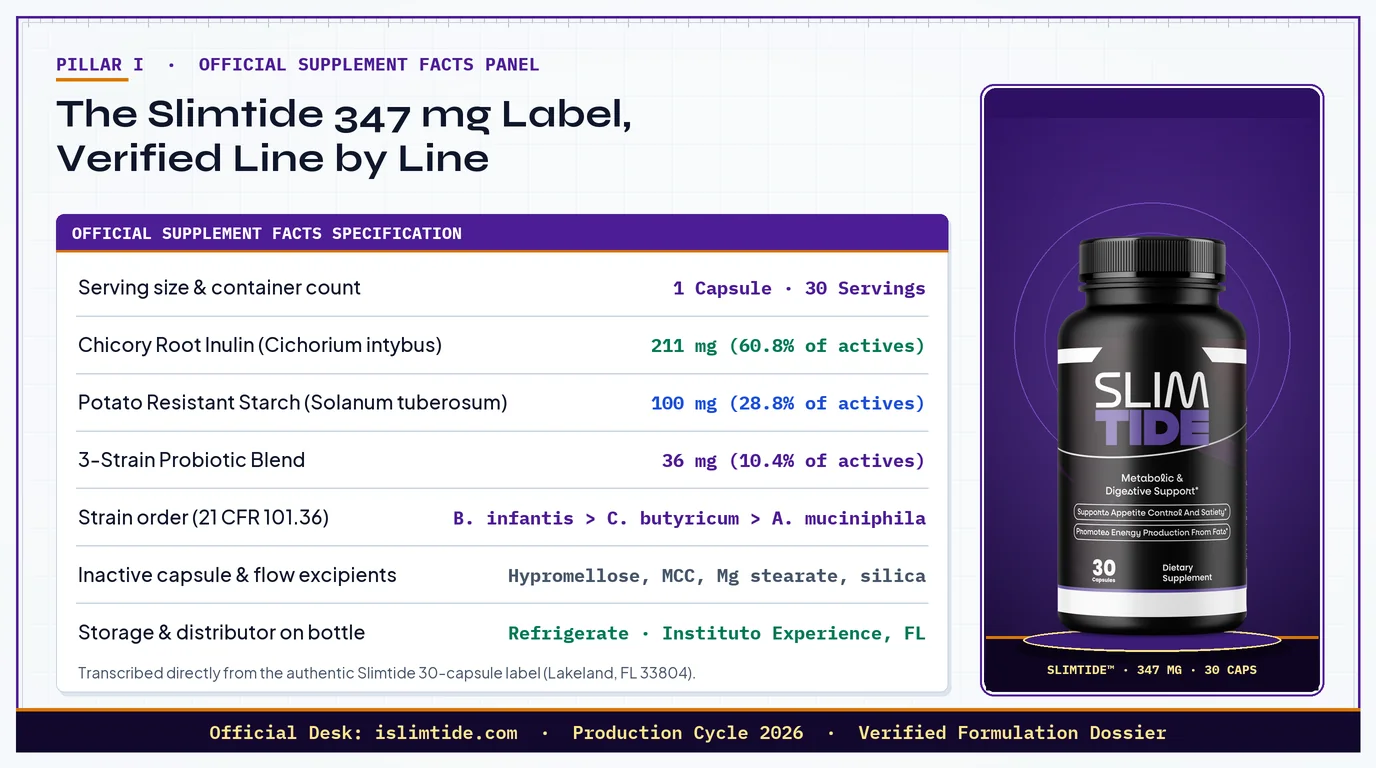
The physiological journey of Slimtide begins the moment you swallow one Size-0 hypromellose capsule with an 8 oz. (240 mL) glass of water [1]. For any oral synbiotic to alter colonic metabolism, its carbohydrate substrates must resist premature digestion by human small-intestinal enzymes (which would otherwise convert them into simple glucose and fructose in the duodenum), and its microbial payload must survive the harsh chemical barriers of gastric hydrochloric acid (pH 1.5 to 3.0), pepsin, and duodenal conjugated bile salts [7,8].
Slimtide is engineered with four complementary survival mechanisms across Stage 1:
- Delayed Hypromellose (HPMC) Shell Dissolution (
8 to 15 Minutes): Unlike animal gelatin shells that rupture almost immediately upon contact with warm gastric fluid (< 3 minutes), the plant-derived hypromellose polymer matrix hydrates into a transient hydrogel barrier before releasing its core payload, while the240 mLwater bolus accelerates gastric emptying through the pylorus [7,1]. - Stereochemical Enzyme Resistance of Chicory Root Inulin (
211 mg): Human salivary alpha-amylase, pancreatic alpha-amylase, and brush-border disaccharidases (sucrase-isomaltase,maltase-glucoamylase) can only cleave alpha-(1->4) and alpha-(1->6) glucosidic bonds. Because Chicory Root Inulin is constructed from beta-(2->1) D-fructosyl linkages, it is sterically invisible to human digestive enzymes and traverses the duodenum, jejunum, and ileum with~90%structural integrity [8,9]. - Crystalline Amylase Resistance & Granular Rafting on Potato RS2 (
100 mg): Native Type-2 Potato Resistant Starch (RS2) granules possess a dense, radially packed B-type crystalline double-helical lattice that blocks pancreatic alpha-amylase entry [10,11]. Simultaneously, vegetative Bifidobacterium infantis cells adhere to microscopic surface pits on the100 mgof RS2 granules, gaining physical buffering during transit through bile salts in the jejunum [10]. - Dipicolinic-Acid Endospore Armor of Clostridium butyricum: Inside the
36 mgProbiotic Blend, Clostridium butyricum travels as a dormant bacterial endospore stabilized by calcium-dipicolinate and a multi-layer protein spore coat [5]. In vitro and human gastrointestinal recovery studies confirm that C. butyricum spores survivepH 1.5gastric acid and duodenal bile salts with near-complete viability, germinating into metabolically active vegetative rods only when they sense the low-oxygen, neutral-pH (pH 6.0 to 6.8) environment of the terminal ileum and cecum [5,12]. Meanwhile, Akkermansia muciniphila outer-membraneAmuc_1100pili proteins remain conformationally intact across upper-GI transit to engage mucosalTLR2receptors downstream [4,13].
| Active Component | Mass / Blend Position | Gastric Acid (pH 1.5 - 3.0) Behavior | Small-Intestinal Enzyme & Bile Behavior | State Entering the Ileocecal Valve (Hour 3) |
|---|---|---|---|---|
| Chicory Root Inulin | 211 mg | Minimal acid hydrolysis (< 5%) during normal gastric emptying | 100% resistant to human alpha-amylase and brush-border sucrase/maltase | Intact soluble beta-(2,1) fructan chains (DP 2 - 60) [8] |
| Potato Resistant Starch | 100 mg | Insoluble B-type crystalline granules remain intact | Resists pancreatic alpha-amylase (65 - 80% escapes glucose cleavage) | Intact semicrystalline RS2 starch granules (15 - 40 um) [10] |
| Bifidobacterium infantis | 1st in 36 mg blend | Protected by HPMC shell delay + RS2 granule adhesion + bile salt hydrolase (BSH) | Expresses intrinsic bile salt hydrolase (BSH) to deconjugate toxic bile salts | Metabolically active vegetative Actinobacteria ready for fructan import [14] |
| Clostridium butyricum | 2nd in 36 mg blend | Dormant endospore cortex is impervious to pH 1.5 hydrochloric acid and pepsin | Primary bile salts act as chemical germination cues in the distal ileum | Germinating vegetative anaerobic butyrate-synthesizing rods [5] |
| Akkermansia muciniphila | 3rd in 36 mg blend | Cell envelope and 32 kDa Amuc_1100 outer-membrane protein resist acid denaturation | Bypasses small-intestinal absorption; homes to mucin-rich epithelia | Intact cells and Amuc_1100 ligands reaching the colonic mucus layer [4] |
Stage 2: Proximal Colonic Fructan Cleavage via the Bifidobacterium infantis Bifid Shunt (Hours 3 to 6)
Approximately 3 to 4 hours after swallowing your morning Slimtide capsule, the hydrated synbiotic bolus passes through the ileocecal valve into the cecum and proximal ascending colon - the primary fermentation chamber of the human gastrointestinal tract [6,2].
Here, the 211 mg of Chicory Root Inulin immediately encounters Bifidobacterium infantis (the lead organism by weight in the 36 mg Probiotic Blend) alongside resident colonic Bifidobacterium species [14,15]. Because B. infantis expresses high-affinity ABC oligosaccharide permeases on its cell surface, it actively transports linear beta-(2,1) fructooligosaccharide chains into its cytoplasm and cleaves them internally using intracellular beta-fructofuranosidases [14].
Inside the B. infantis cytoplasm, liberated fructose-6-phosphate enters the signature fructose-6-phosphate phosphoketolase ("bifid shunt") pathway, generating acetate (C2) and L-lactate (C3) in a 3:2 molar ratio without generating hydrogen (H2) or carbon dioxide (CO2) gas [14]:
Stage 3: Syntrophic Cross-Feeding and the Clostridium butyricum Butyrate Engine (Hours 6 to 14)
While Bifidobacterium infantis excels at cleaving chicory root inulin into acetate (C2) and lactate (C3), Bifidobacterium species completely lack the enzymatic pathway required to synthesize n-butyrate (C4) - the four-carbon short-chain fatty acid that serves as the master metabolic regulator of the human colon [14,6].
This biochemical reality is why Slimtide co-formulates Clostridium butyricum (second in the 36 mg Probiotic Blend) alongside 100 mg of Potato Resistant Starch (RS2) [1,5]. As the colonic bolus moves from the cecum into the ascending and transverse colon (Hours 6 to 14), recently germinated C. butyricum cells execute a dual-substrate syntrophic cross-feeding loop [14,5]:
- Direct Amylolytic Cleavage of Potato RS2 Granules: C. butyricum secretes extracellular alpha-amylases and pullulanases that pit and hydrolyze the semicrystalline B-type starch granules of Potato Resistant Starch (
100 mg), converting indigestible amylose into intracellular pyruvate and acetyl-CoA [10,5]. - Cross-Feeding Import of B. infantis Acetate and Lactate: Simultaneously, C. butyricum (alongside resident Faecalibacterium prausnitzii, Eubacterium rectale, and Roseburia intestinalis) absorbs the exogenous acetate and L-lactate excreted in Stage 2 by Bifidobacterium infantis [14].
- Condensation into n-Butyrate: Inside C. butyricum, two molecules of acetyl-CoA (
2 x C2) are condensed into acetoacetyl-CoA (C4), reduced to beta-hydroxybutyryl-CoA, dehydrated to crotonyl-CoA, reduced to butyryl-CoA, and converted viaphosphotransbutyrylase/butyrate kinase(orbutyryl-CoA:acetate CoA-transferase) into n-butyrate (C4) plus bacterial ATP (Potato RS2 [100 mg] + Acetate [C2] + Lactate [C3] -> n-Butyrate [C4] + Propionate [C3]) [5,6].
Across a healthy human colon, this cooperative fermentation yields the classic physiological molar ratio of short-chain fatty acids: approximately 60% Acetate (C2) : 20% Propionate (C3) : 20% Butyrate (C4) [6,2].
Stage 4: Enteroendocrine L-Cell GPCR Activation (FFAR2 / FFAR3) and Endogenous GLP-1 & PYY Release
How do short-chain fatty acids (acetate, propionate, and butyrate) produced inside the colon influence appetite regulation, meal-to-meal satiety, hepatic glucose output, and adipose tissue metabolism without using central nervous system stimulants? The answer lies in enteroendocrine L-cell G-protein-coupled receptor (GPCR) signaling, first elucidated in landmark studies by Tolhurst et al. (2012, Diabetes), Cani et al. (2009), and Koh et al. (2016, Cell) [3,9,6].
Embedded throughout the epithelial lining of the human distal ileum and colon are specialized hormone-secreting cells called enteroendocrine L-cells [3]. On their apical membrane facing the gut lumen, L-cells express two high-affinity short-chain fatty acid receptors [3,2]:
- FFAR2 (Free Fatty Acid Receptor 2, also known as
GPR43): Coupled to bothG-alpha-q/11andG-alpha-i/oproteins; potently activated by acetate (C2), propionate (C3), and butyrate (C4) [3,6]. - FFAR3 (Free Fatty Acid Receptor 3, also known as
GPR41): Coupled toG-alpha-i/oproteins; preferentially activated by propionate (C3) and butyrate (C4) [3,2].
When colonic fermentation of prebiotic substrates by B. infantis, C. butyricum, and A. muciniphila elevates luminal concentrations of acetate, propionate, and butyrate, these SCFAs bind directly to FFAR2 (GPR43) and FFAR3 (GPR41) on colonic L-cells [3]. Activation of G-alpha-q triggers phospholipase C (PLC), generating inositol 1,4,5-trisphosphate (IP3), which releases intracellular calcium (Ca2+) from the endoplasmic reticulum and stimulates the exocytosis of secretory granules containing two endogenous gut hormones into the lamina propria and portal vein [3,2]:
- Glucagon-Like Peptide-1 (
GLP-1): Acts on pancreatic beta-cells to support glucose-dependent insulin secretion, suppresses inappropriate postprandial glucagon release from alpha-cells, slows gastric emptying rate (extending mechanical stomach fullness after meals), and signals via vagal afferent neurons and hypothalamic arcuate nucleusPOMC/CARTneurons to promote meal termination [3,9]. - Peptide YY (
PYY, specificallyPYY3-36): Binds selectively to presynaptic inhibitory neuropeptide Y2 receptors (Y2R) on orexigenicNPY/AgRP("hunger") neurons in the hypothalamus, quieting between-meal food cravings and slowing ileal/colonic transit via the physiological "ileal brake" [9,2].
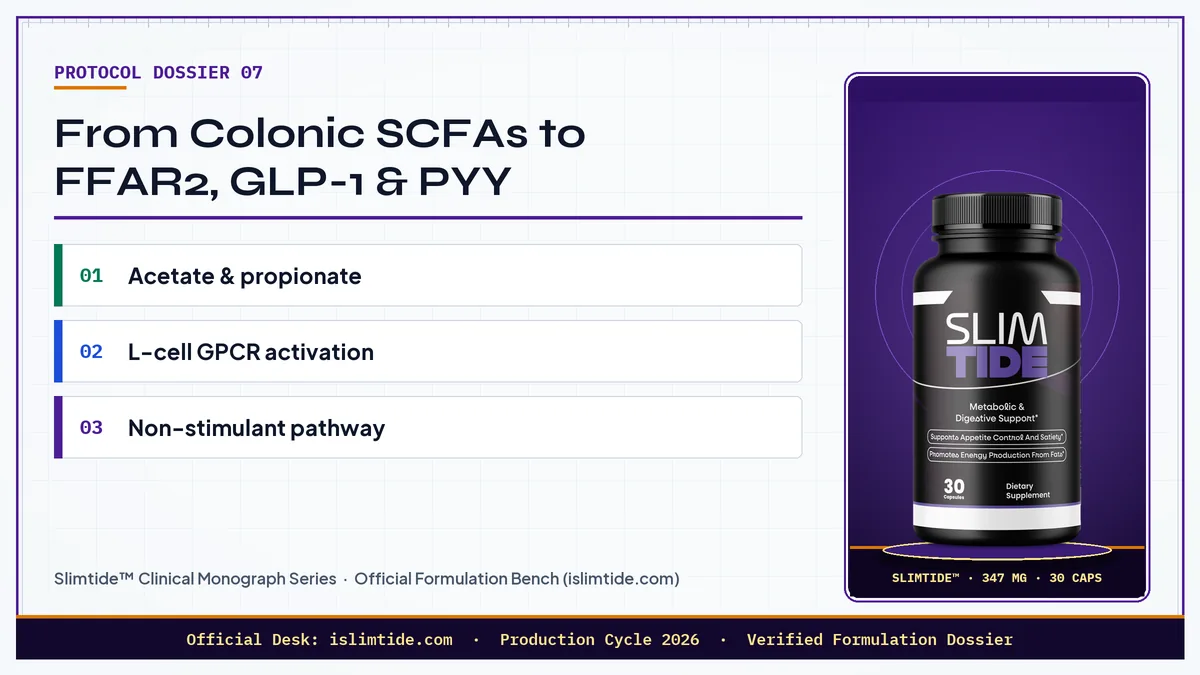
For the complete receptor pharmacology dossier, read Protocol Dossier 07: From Colonic SCFAs to FFAR2, GLP-1 & PYY.
Stage 5: Mucin-Layer Renewal, Amuc_1100 -> TLR2 Signaling, and Metabolic Endotoxemia (LPS) Blockade
The fifth stage of Slimtide's physiological cascade targets the structural root cause of low-grade systemic metabolic inflammation: intestinal barrier hyperpermeability ("leaky gut") and metabolic endotoxemia [13,4,19].
In healthy physiology, the single-cell-thick colonic epithelium is shielded from trillions of luminal bacteria by a dual-layer MUC2 mucin hydrogel secreted by goblet cells, and adjacent epithelial cells are zipped tightly together by apical tight-junction protein complexes (occludin, claudin-1, claudin-3, and zonula occludens-1 / ZO-1) [19,20]. When low-fiber diets, chronic stress, or dysbiosis thin the mucus layer and loosen tight junctions, lipopolysaccharide (LPS) - the inflammatory endotoxin from the outer wall of Gram-negative pathobionts - leaks across the gut wall into the portal circulation [20,13]. Circulating LPS binds to Toll-like receptor 4 (TLR4) on hepatic Kupffer cells and visceral adipocytes, triggering chronic NF-kB inflammation, serine phosphorylation of IRS-1 (insulin resistance), and impaired lipolysis [20,13].
Slimtide reinforces the intestinal barrier through two synergistic mechanisms:
- Akkermansia muciniphila
Amuc_1100 -> TLR2Tight-Junction Assembly: Akkermansia muciniphila (third in the36 mgProbiotic Blend) colonizes the outer loose mucin layer, converting aged mucin glycoproteins into propionate and acetate to stimulate goblet-cell renewal of freshMUC2mucus [21,20]. Simultaneously, its32 kDaouter-membrane proteinAmuc_1100binds directly to apical Toll-like receptor 2 (TLR2) on enterocytes, activating intracellular signaling that upregulates occludin, claudin-1, and ZO-1 tight-junction proteins and lowers circulating plasmaLPSendotoxemia (demonstrated at-11.7%in Depommier et al.2019) [4,13]. - Butyrate-Driven Epithelial Hypoxia &
HIF-1alphaStabilization: The n-butyrate generated in Stage 3 by Clostridium butyricum and Potato Resistant Starch (100 mg) fuels mitochondrial beta-oxidation in colonocytes, stabilizing hypoxia-inducible factorHIF-1alpha, which transcriptionally activates mucin genes and antimicrobial peptides (LL-37,RegIII-gamma) [6,5].
| Mechanistic Dimension | Slimtide™ (347 mg Synbiotic Capsule) | Stimulant Thermogenic Pills (Caffeine / Synephrine) | Laxative "Detox" Teas (Senna / Cascara) |
|---|---|---|---|
| Primary Physiological Target | Colonic microbiome cross-feeding, L-cell FFAR2/FFAR3 (GLP-1/PYY), and Amuc_1100 -> TLR2 mucin barrier [3,4] | Central nervous system beta-adrenergic receptor stimulation & catecholamine surge | Chemical irritation of Auerbach's myenteric plexus to force colonic water evacuation |
| Cardiovascular & CNS Impact | Zero (0 mg caffeine; does not elevate heart rate, blood pressure, or evening cortisol) [1] | Elevates resting heart rate, systolic blood pressure, jitteriness, and sleep latency | Causes acute electrolyte depletion (K+, Mg2+) and cramping |
| Gut Barrier & Mucus Effect | Thickens MUC2 mucus layer and upregulates ZO-1/occludin tight junctions [20,4] | Splanchnic vasoconstriction can reduce mucosal perfusion during stress | Damages colonic goblet cells and causes melanosis coli with chronic use |
| Rebound / Tolerance Profile | Ecological microbiome adaptation builds progressively over 30 to 90 days [13,22] | Rapid adrenergic receptor downregulation within 7 to 14 days; rebound fatigue | Laxative dependency and rebound constipation upon discontinuation |
The 90-Day Ecological Adaptation Timeline: Why Synbiotics Take 30 to 90 Days
Because Slimtide contains zero caffeine and zero purgative laxatives, you will not feel a jittery rush 30 minutes after swallowing your first capsule [1]. Remodeling colonic microbial cross-feeding networks, turning over the intestinal epithelial lining (every 4 to 5 days), and restoring steady-state FFAR2/FFAR3 L-cell tone is an ecological process that unfolds across three distinct 30-day phases - matching the 12-week (84 to 90 day) clinical trial duration used in human studies of Akkermansia muciniphila (Depommier et al. 2019), multi-strain synbiotics (Perraudeau et al. 2020), and chicory inulin (Dewulf et al. 2013) [13,22,23]:
- Days 1 to 14 (Phase 1 - Luminal Seeding & Enzymatic Priming): Daily ingestion of
211 mgChicory Root Inulin,100 mgPotato RS2, and the36 mgProbiotic Blend introduces B. infantis and C. butyricum endospores into the cecum. During the first5 to 10 days, some users notice mild, transient acoustic rumbling or softer stool consistency as resident saccharolytic pathways upregulate beta-fructofuranosidase and amylase expression [15,16]. - Days 15 to 45 (Phase 2 - Butyrate Cross-Feeding & Digestive Regularity): Syntrophic acetate-to-butyrate cross-feeding between B. infantis and C. butyricum stabilizes proximal colonic pH. Users typically report smoother morning bowel regularity, reduced post-meal abdominal distension, and steadier afternoon appetite between meals. (Note: Day 45 is our recommended personal evaluation checkpoint within our 60-Day Money-Back Guarantee window [24].)
- Days 46 to 90+ (Phase 3 - Mucin Barrier Consolidation & L-Cell Tone): Sustained
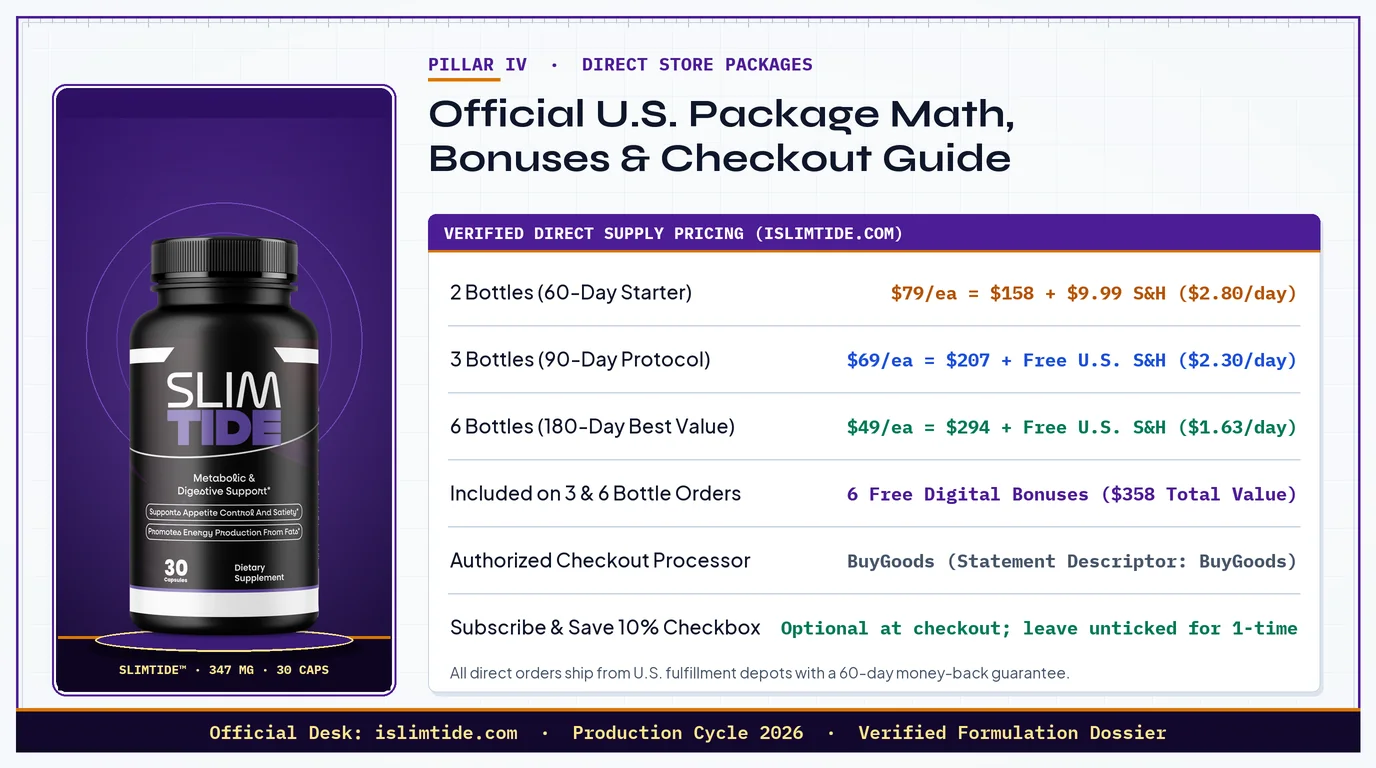
Amuc_1100 -> TLR2signaling and colonic propionate/butyrate exposure support tight-junction protein expression (ZO-1,occludin), lower endotoxemicLPStranslocation, and consolidate endogenous postprandialGLP-1andPYYsatiety signaling [13,3]. This 90-to-180-day horizon is why the 3-Bottle (90-Day) and 6-Bottle (180-Day) protocols on our Official Pricing Page include free U.S. shipping and all 6 digital protocol bonuses [25].
Frequently Asked Questions
How long does it take to feel Slimtide working?
Because Slimtide is 100% stimulant-free (0 mg caffeine) and laxative-free, it does not cause an artificial energy spike on Day 1 [1]. Most users notice initial shifts in digestive comfort, reduced post-meal bloating, and smoother bowel regularity within 14 to 30 days as Bifidobacterium infantis and Clostridium butyricum establish cecal fermentation [16,15]. Deeper metabolic and satiety pathways mediated by FFAR2/FFAR3 (GLP-1 and PYY) and Akkermansia muciniphila mucin-barrier remodeling are evaluated across 60 to 90 days of consistent daily use, matching the 12-week duration of human clinical trials [13,22].
Does Slimtide work like prescription GLP-1 injections (such as semaglutide)?
No. Prescription GLP-1 receptor agonists are synthetic, protease-resistant peptide drugs injected subcutaneously to maintain supraphysiological receptor stimulation for a full week. Slimtide is an oral 347 mg dietary synbiotic capsule whose prebiotic fibers (Chicory Root Inulin + Potato Resistant Starch) and probiotic strains stimulate the colon's own production of short-chain fatty acids (acetate, propionate, butyrate), which bind to FFAR2 (GPR43) and FFAR3 (GPR41) receptors on intestinal L-cells to support natural, endogenous, physiological mealtime release of GLP-1 and PYY [3,2,18].
What is cross-feeding and why does Slimtide combine B. infantis with C. butyricum?
Syntrophic cross-feeding is a cooperative metabolic relay between two gut bacterial species [14]. In Stage 2, Bifidobacterium infantis cleaves Chicory Root Inulin (211 mg) into acetate and lactate, but B. infantis cannot make butyrate on its own [14]. In Stage 3, Clostridium butyricum imports that acetate and lactate alongside oligosaccharides cleaved from Potato Resistant Starch (100 mg) and converts them into n-butyrate - the primary energy source for colonocytes and a potent activator of L-cell FFAR2/FFAR3 receptors [5,6].
How do the bacteria in Slimtide survive stomach acid without an enteric-coated chemical glaze?
Slimtide uses three natural biophysical survival mechanisms rather than synthetic phthalate enteric coatings: (1) a plant-derived hypromellose (HPMC) vegetarian capsule shell that delays gastric rupture for 8 to 15 minutes, (2) 100 mg of native Potato Resistant Starch (RS2) granules that act as microscopic physical adhesion rafts for Bifidobacterium infantis, and (3) naturally acid-proof Clostridium butyricum endospores and heat-stable Akkermansia muciniphila Amuc_1100 outer-membrane proteins that withstand pH 1.5 gastric fluid [10,5,4].
What time of day should I take my Slimtide capsule for the best physiological effect?
Take one (1) capsule daily with a full 8 oz. (240 mL) glass of cool or room-temperature water, ideally 15 to 30 minutes before your first main meal (breakfast or lunch) [1]. Taking the capsule with 8 oz. of water just before a meal uses the meal-stimulated gastrocolic reflex to sweep the hydrated capsule through the stomach and small intestine so cecal fermentation aligns with daytime eating windows [7]. Remember to return the bottle to the refrigerator (36 F to 46 F) immediately after capping [1].
Should I eat more dietary fiber while taking Slimtide?
Yes! While Slimtide's 311 mg prebiotic matrix (211 mg chicory inulin + 100 mg potato RS2) provides an immediate, localized co-substrate for the 36 mg probiotic consortium inside the capsule, once Bifidobacterium infantis, Clostridium butyricum, and Akkermansia muciniphila reach the colon, feeding them additional whole-food prebiotic fibers (25 to 35 g/day from vegetables, legumes, berries, oats, cooled potatoes, and polyphenols) substantially amplifies total colonic short-chain fatty acid (SCFA) production [8,2].
Scientific & Regulatory References
Numbered in order of first appearance on this page. Primary peer-reviewed citations link directly to PubMed (NCBI/NLM) and eCFR records verified on November 15, 2026.
- Slimtide Official Supplement Facts Panel (30 Capsules; 211 mg Chicory Root Inulin, 100 mg Potato Resistant Starch, 36 mg Probiotic Blend; Distributed by Instituto Experience, Lakeland FL 33804). Verified November 15, 2026. Official Record
- Blaak EE, Canfora EE, Theis S, et al. Short chain fatty acids in human gut and metabolic health. Benef Microbes. 2020;11(5):411-455. PMID 32865024. PubMed
- Tolhurst G, Heffron H, Lam YS, et al. Short-chain fatty acids stimulate glucagon-like peptide-1 secretion via the G-protein-coupled receptor FFAR2. Diabetes. 2012;61(2):364-71. PMID 22190648. PubMed
- Plovier H, Everard A, Druart C, et al. A purified membrane protein from Akkermansia muciniphila or the pasteurized bacterium improves metabolism in obese and diabetic mice. Nat Med. 2017;23(1):107-113. PMID 27892954. PubMed
- Stoeva MK, Garcia-So J, Justice N, et al. Butyrate-producing human gut symbiont, Clostridium butyricum, and its role in health and disease. Gut Microbes. 2021;13(1):1-28. PMID 33874858. PubMed
- Koh A, De Vadder F, Kovatcheva-Datchary P, et al. From Dietary Fiber to Host Physiology: Short-Chain Fatty Acids as Key Bacterial Metabolites. Cell. 2016;165(6):1332-1345. PMID 27259147. PubMed
- NIH Office of Dietary Supplements. Probiotics: Fact Sheet for Health Professionals. Official Record
- Gibson GR, Hutkins R, Sanders ME, et al. Expert consensus document: The International Scientific Association for Probiotics and Prebiotics (ISAPP) consensus statement on the definition and scope of prebiotics. Nat Rev Gastroenterol Hepatol. 2017;14(8):491-502. PMID 28611480. PubMed
- Cani PD, Lecourt E, Dewulf EM, et al. Gut microbiota fermentation of prebiotics increases satietogenic and incretin gut peptide production with consequences for appetite sensation and glucose response after a meal. Am J Clin Nutr. 2009;90(5):1236-43. PMID 19776140. PubMed
- Birt DF, Boylston T, Hendrich S, et al. Resistant starch: promise for improving human health. Adv Nutr. 2013;4(6):587-601. PMID 24228189. PubMed
- Raigond P, Ezekiel R, Raigond B. Resistant starch in food: a review. J Sci Food Agric. 2015;95(10):1968-78. PMID 25331334. PubMed
- Kato M, Hamazaki Y, Sun S, et al. Clostridium butyricum MIYAIRI 588 Increases the Lifespan and Multiple-Stress Resistance of Caenorhabditis elegans. Nutrients. 2018;10(12). PMID 30563064. PubMed
- Depommier C, Everard A, Druart C, et al. Supplementation with Akkermansia muciniphila in overweight and obese human volunteers: a proof-of-concept exploratory study. Nat Med. 2019;25(7):1096-1103. PMID 31263284. PubMed
- Rivière A, Selak M, Lantin D, et al. Bifidobacteria and Butyrate-Producing Colon Bacteria: Importance and Strategies for Their Stimulation in the Human Gut. Front Microbiol. 2016;7:979. PMID 27446020. PubMed
- Vandeputte D, Falony G, Vieira-Silva S, et al. Prebiotic inulin-type fructans induce specific changes in the human gut microbiota. Gut. 2017;66(11):1968-1974. PMID 28213610. PubMed
- Whorwell PJ, Altringer L, Morel J, et al. Efficacy of an encapsulated probiotic Bifidobacterium infantis 35624 in women with irritable bowel syndrome. Am J Gastroenterol. 2006;101(7):1581-90. PMID 16863564. PubMed
- Henrick BM, Rodriguez L, Lakshmikanth T, et al. Bifidobacteria-mediated immune system imprinting early in life. Cell. 2021;184(15):3884-3898.e11. PMID 34143954. PubMed
- Slimtide Official DSHEA & Medical Disclaimer. Verified November 15, 2026. Official Record
- Cani PD, Depommier C, Derrien M, et al. Akkermansia muciniphila: paradigm for next-generation beneficial microorganisms. Nat Rev Gastroenterol Hepatol. 2022;19(10):625-637. PMID 35641786. PubMed
- Everard A, Belzer C, Geurts L, et al. Cross-talk between Akkermansia muciniphila and intestinal epithelium controls diet-induced obesity. Proc Natl Acad Sci U S A. 2013;110(22):9066-71. PMID 23671105. PubMed
- Derrien M, Vaughan EE, Plugge CM, et al. Akkermansia muciniphila gen. nov., sp. nov., a human intestinal mucin-degrading bacterium. Int J Syst Evol Microbiol. 2004;54(Pt 5):1469-1476. PMID 15388697. PubMed
- Perraudeau F, McMurdie P, Bullard J, et al. Improvements to postprandial glucose control in subjects with type 2 diabetes: a multicenter, double blind, randomized placebo-controlled trial of a novel probiotic formulation. BMJ Open Diabetes Res Care. 2020;8(1). PMID 32675291. PubMed
- Dewulf EM, Cani PD, Claus SP, et al. Insight into the prebiotic concept: lessons from an exploratory, double blind intervention study with inulin-type fructans in obese women. Gut. 2013;62(8):1112-21. PMID 23135760. PubMed
- Slimtide Official 60-Day Money-Back Guarantee & Return Protocol (Instituto Experience Return Depot, 11870 62nd St N, Largo, FL 33773). Verified November 15, 2026. Official Record
- Slimtide Official U.S. Store Package Schedule (2 Bottles $158 + $9.99 S&H; 3 Bottles $207 Free S&H + 6 Bonuses; 6 Bottles $294 Free S&H + 6 Bonuses). Verified November 15, 2026. Official Record