Protocol Dossier 07 · Enteroendocrine Signaling Axis · Non-Stimulant Satiety Pathway
From Colonic SCFAs to FFAR2/FFAR3, GLP-1 & PYY: How Non-Stimulant Satiety Signaling Works
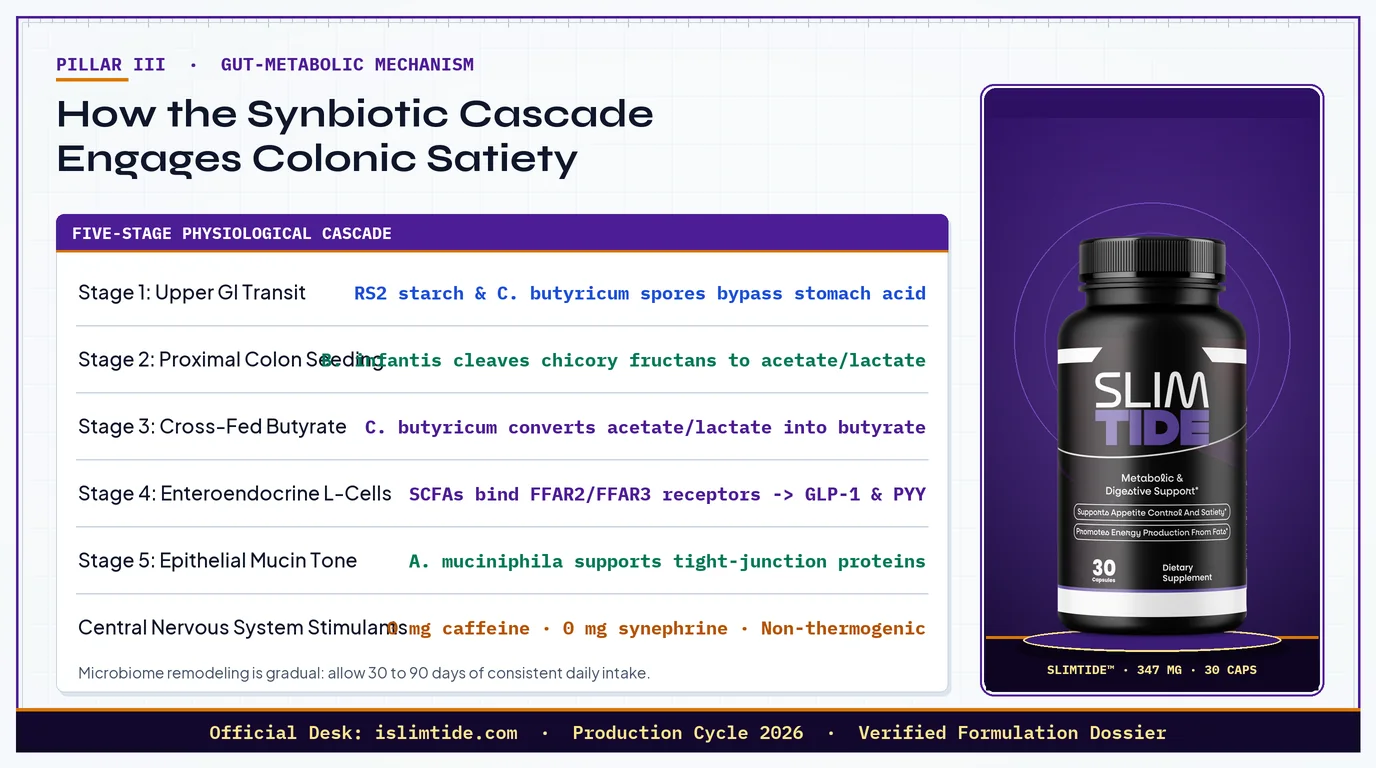
Unlike thermogenic weight-management pills that rely on central nervous system stimulants (caffeine anhydrous, synephrine, or yohimbine) to force transient adrenergic appetite suppression, Slimtide operates through an endogenous colonic-enteroendocrine signaling pathway [1,2,3]. This dossier maps the four-step biochemical relay from microbial fermentation of chicory inulin and potato resistant starch into short-chain fatty acids (acetate, propionate, and butyrate), activation of L-cell G-protein-coupled receptors FFAR2 (GPR43) and FFAR3 (GPR41), endogenous secretion of GLP-1 and PYY, and vagal-hypothalamic satiety regulation [2,4,5].
The Molar Landscape of Colonic Short-Chain Fatty Acids (60 : 20 : 20)
In a healthy human colon receiving fermentable dietary fibers and active saccharolytic bacteria, anaerobic microbial fermentation generates approximately 50 to 150 millimoles (mmol) of short-chain fatty acids (SCFAs) per liter of luminal fluid every day [6,4,3]. Short-chain fatty acids are saturated aliphatic organic acids consisting of one to six carbons, of which three account for 90% to 95% of total colonic SCFA output in a characteristic 60 : 20 : 20 molar ratio [6,7]:
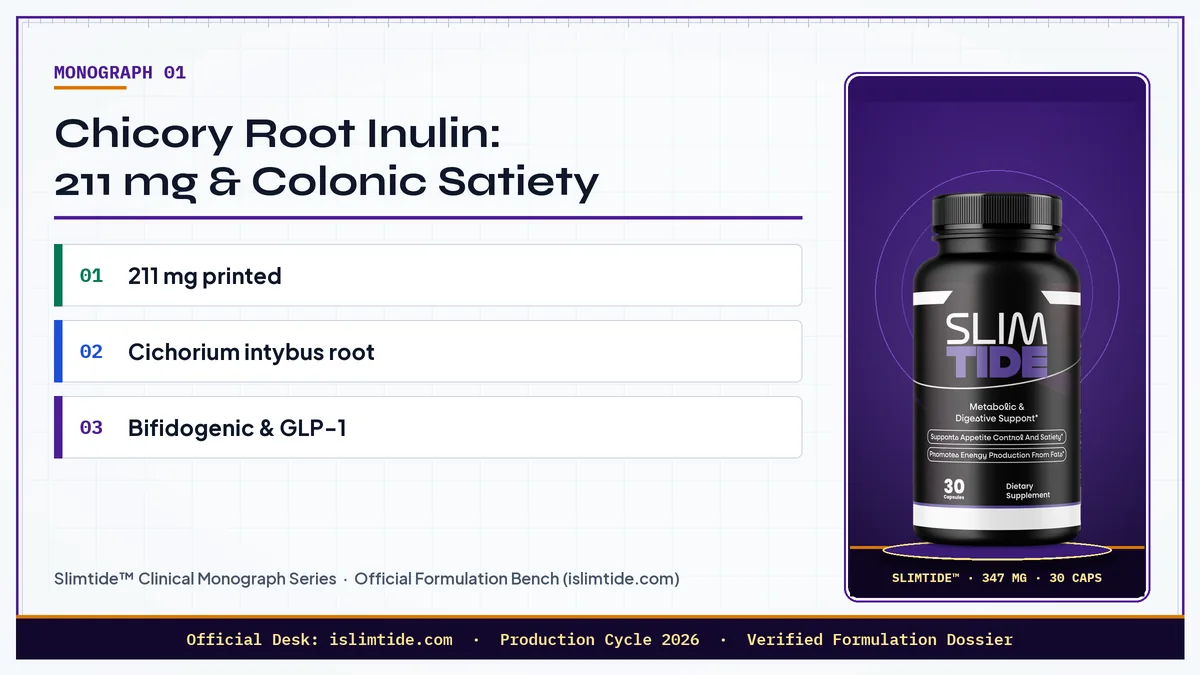
- Acetate (C2, Ethanoate, ~60% of Colonic SCFAs): Produced directly by Bifidobacterium infantis via the fructose-6-phosphate phosphoketolase "bifid shunt" from the 211 mg chicory root inulin payload, as well as by Akkermansia muciniphila during outer-layer mucin turnover [8,9]. Acetate serves both as an extracellular cross-feeding substrate for butyrate-producing Clostridia and as a systemic signaling molecule that reaches the liver, peripheral adipose tissue, and the hypothalamic arcuate nucleus [4,3].
- Propionate (C3, Propanoate, ~20% of Colonic SCFAs): Synthesized primarily via the succinate pathway (employed by Akkermansia muciniphila and Bacteroides) and the acrylate pathway from lactate [9,4]. Propionate exhibits the highest simultaneous affinity for both FFAR2 and FFAR3 on intestinal L-cells and serves as a hepatic gluconeogenic regulator that inhibits hepatic de novo lipogenesis [2,3].
- Butyrate (C4, Butanoate, ~20% of Colonic SCFAs): Synthesized directly by Clostridium butyricum via the butyryl-CoA pathway from the 100 mg potato resistant starch (RS2) substrate and cross-fed bifidobacterial acetate [10,11]. Approximately 70% to 80% of luminal butyrate is oxidized locally by colonocytes for mitochondrial ATP production, while the remaining fraction activates L-cell FFAR3 and GPR109A receptors and inhibits histone deacetylases (HDACs) [4,12,5].
Colonic SCFA & Enteroendocrine Receptor Specifications
- Typical Colonic Molar Ratio of Acetate : Propionate : Butyrate
- 60 : 20 : 20
- Gq/11 & Gi/o Coupled Receptor Activated by Acetate & Propionate
- FFAR2 (GPR43)
- Gi/o Coupled Receptor Activated by Propionate & Butyrate
- FFAR3 (GPR41)
- 100% Stimulant-Free Satiety Architecture in Slimtide
- 0 mg Caffeine
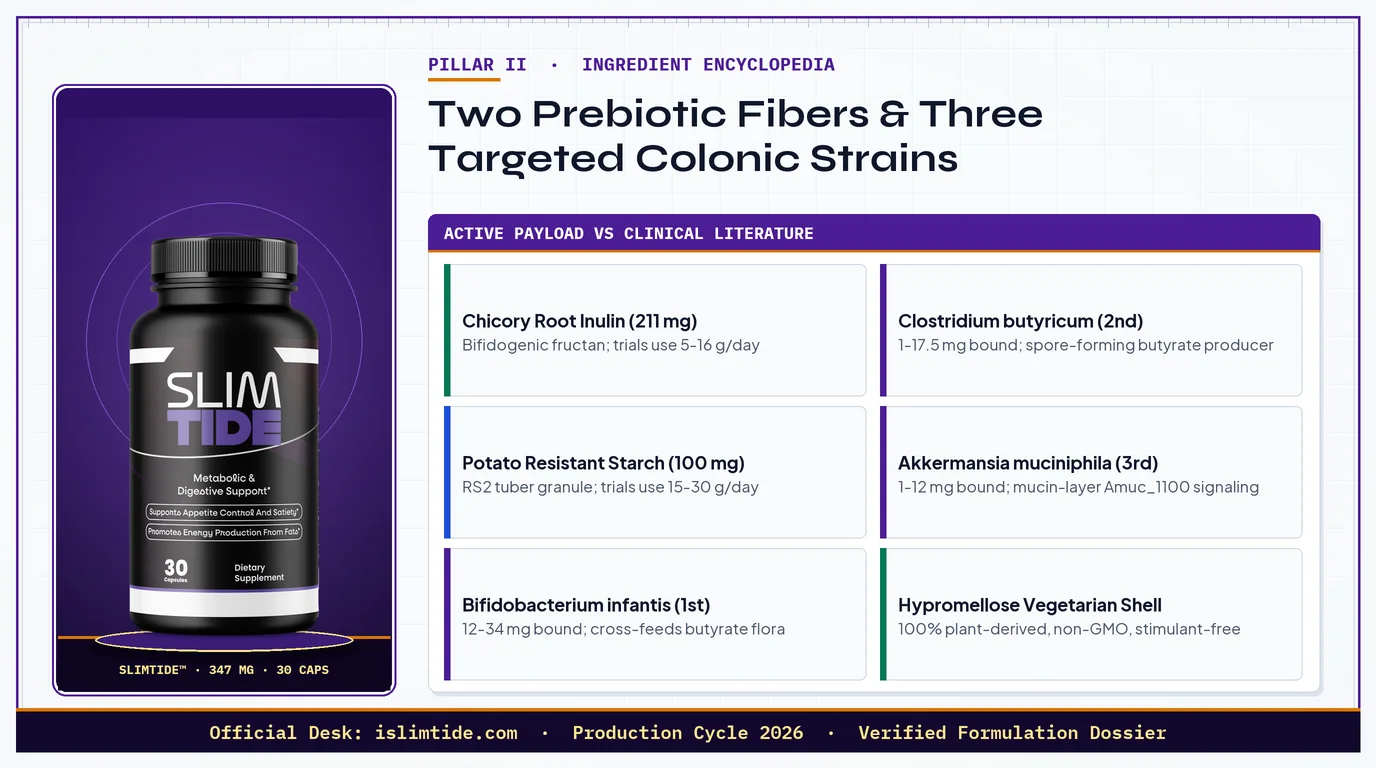
Inside the Slimtide 347 mg synbiotic capsule, every one of these three short-chain fatty acids has a dedicated microbial producer and a dedicated prebiotic starter substrate: Bifidobacterium infantis + 211 mg chicory root inulin drives acetate, Akkermansia muciniphila + mucin glycoproteins drives propionate and acetate, and Clostridium butyricum + 100 mg potato RS2 + cross-fed acetate drives butyrate [1,8,10,13].
Molecular Pharmacology of Enteroendocrine L-Cells: FFAR2 (GPR43) and FFAR3 (GPR41)
Scattered among the absorptive enterocytes and mucin-secreting goblet cells of the distal ileum and large intestine are open-type enteroendocrine L-cells [2,3]. These specialized sensory cells feature microvilli projecting directly into the colonic lumen to sample microbial metabolites, while their basolateral membrane abuts the lamina propria capillary bed and vagal afferent nerve endings [2,14].
In a foundational study published in Diabetes, Tolhurst et al. (2012) demonstrated that colonic short-chain fatty acids stimulate primary intestinal L-cells to secrete glucagon-like peptide-1 (GLP-1) through direct activation of FFAR2 (GPR43) and FFAR3 (GPR41) [2]. Specifically:
- FFAR2 (
GPR43) Dual G-Protein Coupling: FFAR2 is activated with highest potency by acetate (C2) and propionate (C3) (EC50~ 250 to 500 micromolar, well below the 50 to 100 millimolar concentrations present in the colonic lumen) [2,4]. Upon binding acetate or propionate, FFAR2 couples through heterotrimericGq/11proteins to activate phospholipase C-beta (PLC-beta), which cleaves phosphatidylinositol 4,5-bisphosphate (PIP2) into inositol 1,4,5-trisphosphate (IP3) and diacylglycerol (DAG) [2].IP3binds receptors on the endoplasmic reticulum, triggering a rapid surge in cytoplasmic free calcium (Ca2+) that drives SNARE-mediated fusion of GLP-1 and PYY secretory vesicles with the basolateral plasma membrane [2,5]. - FFAR3 (
GPR41) & GPR109A (HCAR2) Signaling: FFAR3 exhibits a ligand potency rank order of propionate (C3) >= butyrate (C4) >> acetate (C2) and couples throughGi/oproteins to modulate cyclic AMP (cAMP) and enteric neural circuitry, while butyrate also binds GPR109A (HCAR2) on colonic macrophages and epithelial cells to suppress NF-kappaB inflammation and increase L-cell transcriptional expression of the proglucagon (GCG) andPYYgenes [4,12,14]. - Secreted Protein P9 & Endocannabinoids from Akkermansia muciniphila: Beyond SCFAs, Akkermansia muciniphila secretes an 84-kDa protein designated P9 (which binds intercellular adhesion molecule-2, ICAM-2, on L-cells) and elevates intestinal 2-oleoylglycerol (an agonist of GPR119), providing a parallel, calcium-dependent trigger for GLP-1 release [13,15,16].
Downstream Physiological Effects of Endogenous GLP-1 and PYY (3-36)
Once secreted from the basolateral surface of colonic L-cells into the lamina propria, GLP-1 and PYY act through both paracrine vagal afferent nerves (expressing GLP-1R and Y2 receptors in the nodose ganglion projecting to the nucleus tractus solitarius of the brainstem) and endocrine circulation to coordinate four metabolic responses [17,3,7]:
- The "Ileal & Colonic Brake" on Gastric Emptying: PYY (
PYY3-36) and GLP-1 slow the rate of pyloric sphincter relaxation and proximal gastric emptying, prolonging physical mechanical fullness after a meal so you feel satisfied earlier and experience fewer late-afternoon or late-evening snack cravings [17,18]. - Hypothalamic Arcuate Nucleus Appetite Regulation: Circulating
PYY3-36crosses the fenestrated blood-brain barrier of the median eminence to bind autoinhibitory neuropeptide Y2 receptors (Y2R) on orexigenic NPY/AgRP neurons, silencing hunger signals while disinhibiting anorexigenic pro-opiomelanocortin (POMC / alpha-MSH) neurons [3,4]. - Glucose-Dependent Incretin Action: GLP-1 binds pancreatic beta-cell GLP-1 receptors (
GLP-1R) to potentiate insulin exocytosis strictly when blood glucose is elevated after a meal (avoiding hypoglycemia during fasting), while simultaneously inhibiting pancreatic alpha-cell glucagon secretion [2,19]. - Adipose Lipolysis & Hepatic Lipid Oxidation: Short-chain fatty acids absorbed into the portal vein activate AMP-activated protein kinase (AMPK) in hepatocytes and skeletal myocytes, upregulating peroxisome proliferator-activated receptor-gamma coactivator 1-alpha (
PGC-1alpha) and mitochondrial fatty acid beta-oxidation [4,3].
Endogenous Colonic Signaling vs. Stimulant Pills & Injectable GLP-1 Drugs
Because the acronym "GLP-1" is widely associated with prescription injectable GLP-1 receptor agonists (such as semaglutide, liraglutide, or tirzepatide), our official formulation bench enforces a crystal-clear distinction between endogenous nutritional L-cell support and synthetic pharmacological receptor agonism [20,21].
| Dimension | Colonic Synbiotic Pathway (Slimtide Capsule) [1,2] | Stimulant Thermogenic Pills (Caffeine / Synephrine) | Prescription Injectable GLP-1 Agonists (e.g., Semaglutide) |
|---|---|---|---|
| Primary Mechanism | Microbial SCFA generation -> L-cell FFAR2/FFAR3 -> endogenous GLP-1 & PYY | Central nervous system adenosine blockade & beta-adrenergic surge | Synthetic DPP-4-resistant peptide binding GLP-1R directly |
| Plasma GLP-1 Fold Change | Physiological postprandial modulation (+15% to +45% over baseline) [17] | None (acts via catecholamines: epinephrine & norepinephrine) | Supraphysiological (10x to 50x endogenous picomolar levels) |
| Biological Half-Life | Native GLP-1: 1.5 to 2 minutes (cleaved by DPP-4; acts locally on vagus) | 3 to 6 hours (followed by afternoon adrenergic crash) | ~165 hours (~7 days via albumin-binding fatty acid chain) |
| Cardiovascular Impact | Neutral / supportive; zero heart-rate or blood-pressure spikes | Elevates resting heart rate, systolic BP, jitteriness, and insomnia | Mild resting heart-rate increase (+2 to +4 bpm); requires Rx |
| Onset & Adaptation Curve | Gradual biological build over 14 to 90 days of daily seeding | Acute within 45 minutes; rapid receptor tachyphylaxis in 2-3 weeks | Immediate pharmacological gastric slowing upon dose titration |
| Regulatory Status | DSHEA Dietary Supplement (not a drug; does not replace Rx therapy) [20] | Dietary supplement or OTC stimulant | FDA-approved prescription medication |
Explore the complete How Slimtide Works architecture, review Protocol Dossier 09 on using Slimtide alongside GLP-1 prescriptions, or select your direct 90-day or 180-day Slimtide supply here [22].
Frequently Asked Questions
Does Slimtide contain synthetic GLP-1 or stimulant caffeine?
Neither. Slimtide contains zero synthetic hormones, zero peptides, and zero caffeine or central nervous system stimulants [1]. It delivers 311 mg of prebiotic fibers (chicory root inulin and potato resistant starch) plus 36 mg of live probiotics (Bifidobacterium infantis, Clostridium butyricum, and Akkermansia muciniphila) that produce short-chain fatty acids in the colon to support your body's own L-cell satiety signaling [2,1].
Why does natural SCFA-driven satiety take 2 to 6 weeks to build instead of working in 30 minutes?
Unlike caffeine, which enters the bloodstream from the stomach in 30 minutes, a synbiotic capsule must seed the colonic ecosystem, expand bifidobacterial and butyrogenic cross-feeding populations, and restore outer-mucus barrier thickness before sustained daily SCFA output reaches its steady state [23,24]. Most users notice digestive settling in Weeks 1 to 2 and steadier meal-to-meal appetite pacing between Weeks 3 and 8.
How does endogenous L-cell GLP-1 work if its bloodstream half-life is only 2 minutes?
Roughly 75% of the GLP-1 secreted by intestinal L-cells acts immediately inside the intestinal lamina propria on adjacent vagal afferent nerve terminals (which express GLP-1 receptors) before it ever enters the systemic venous circulation [2,3]. Those vagal nerves transmit satiety signals directly to the brainstem and hypothalamus within milliseconds.
Can I take Slimtide if I am already prescribed a GLP-1 receptor agonist?
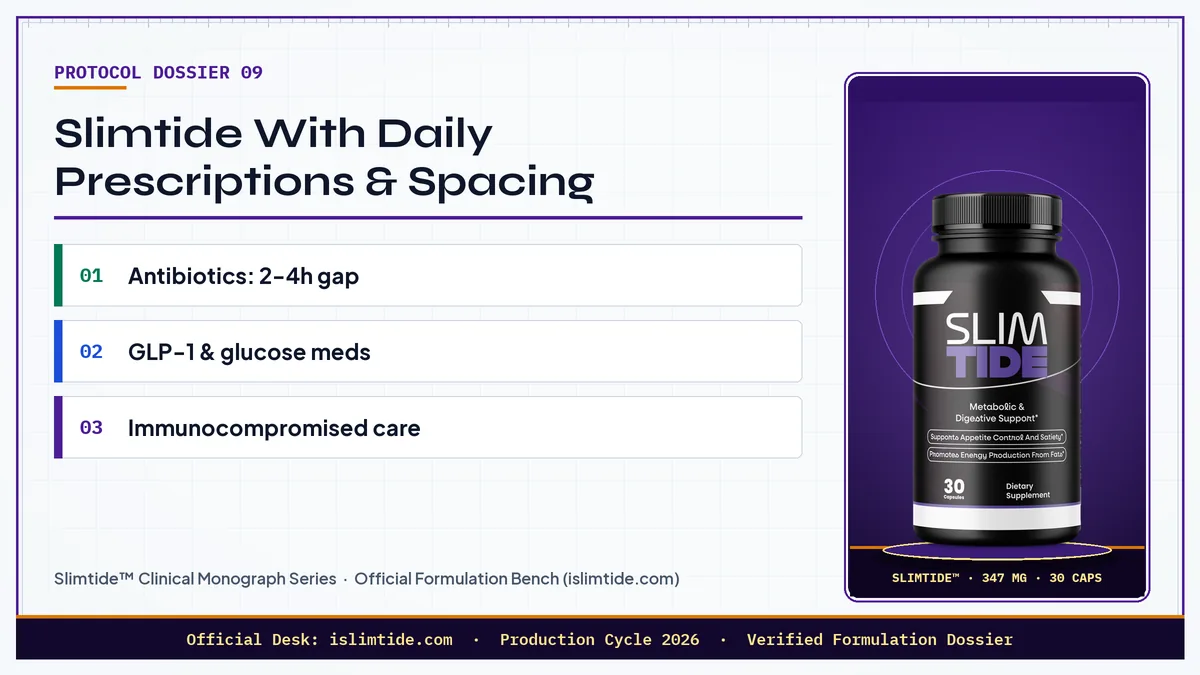
Many individuals prescribed injectable GLP-1 medications experience slowed gastrointestinal transit and reduced dietary fiber intake, and discuss synbiotic support with their physician. However, because synbiotics and prebiotic fibers can influence postprandial glucose curves and bowel motility, you must consult your prescribing physician before combining Slimtide with any GLP-1 or glucose-lowering prescription [25,1].
Scientific & Regulatory References
Numbered in order of first appearance on this page. Primary peer-reviewed citations link directly to PubMed (NCBI/NLM) and eCFR records verified on November 15, 2026.
- Slimtide Official Supplement Facts Panel (30 Capsules; 211 mg Chicory Root Inulin, 100 mg Potato Resistant Starch, 36 mg Probiotic Blend; Distributed by Instituto Experience, Lakeland FL 33804). Verified November 15, 2026. Official Record
- Tolhurst G, Heffron H, Lam YS, et al. Short-chain fatty acids stimulate glucagon-like peptide-1 secretion via the G-protein-coupled receptor FFAR2. Diabetes. 2012;61(2):364-71. PMID 22190648. PubMed
- Blaak EE, Canfora EE, Theis S, et al. Short chain fatty acids in human gut and metabolic health. Benef Microbes. 2020;11(5):411-455. PMID 32865024. PubMed
- Koh A, De Vadder F, Kovatcheva-Datchary P, et al. From Dietary Fiber to Host Physiology: Short-Chain Fatty Acids as Key Bacterial Metabolites. Cell. 2016;165(6):1332-1345. PMID 27259147. PubMed
- Mann ER, Lam YK, Uhlig HH. Short-chain fatty acids: linking diet, the microbiome and immunity. Nat Rev Immunol. 2024;24(8):577-595. PMID 38565643. PubMed
- Wong JM, de Souza R, Kendall CW, et al. Colonic health: fermentation and short chain fatty acids. J Clin Gastroenterol. 2006;40(3):235-43. PMID 16633129. PubMed
- Portincasa P, Bonfrate L, Vacca M, et al. Gut Microbiota and Short Chain Fatty Acids: Implications in Glucose Homeostasis. Int J Mol Sci. 2022;23(3). PMID 35163038. PubMed
- Rivière A, Selak M, Lantin D, et al. Bifidobacteria and Butyrate-Producing Colon Bacteria: Importance and Strategies for Their Stimulation in the Human Gut. Front Microbiol. 2016;7:979. PMID 27446020. PubMed
- Derrien M, Vaughan EE, Plugge CM, et al. Akkermansia muciniphila gen. nov., sp. nov., a human intestinal mucin-degrading bacterium. Int J Syst Evol Microbiol. 2004;54(Pt 5):1469-1476. PMID 15388697. PubMed
- Stoeva MK, Garcia-So J, Justice N, et al. Butyrate-producing human gut symbiont, Clostridium butyricum, and its role in health and disease. Gut Microbes. 2021;13(1):1-28. PMID 33874858. PubMed
- Birt DF, Boylston T, Hendrich S, et al. Resistant starch: promise for improving human health. Adv Nutr. 2013;4(6):587-601. PMID 24228189. PubMed
- Tan J, McKenzie C, Potamitis M, et al. The role of short-chain fatty acids in health and disease. Adv Immunol. 2014;121:91-119. PMID 24388214. PubMed
- Cani PD, Depommier C, Derrien M, et al. Akkermansia muciniphila: paradigm for next-generation beneficial microorganisms. Nat Rev Gastroenterol Hepatol. 2022;19(10):625-637. PMID 35641786. PubMed
- Sun M, Wu W, Liu Z, et al. Microbiota metabolite short chain fatty acids, GPCR, and inflammatory bowel diseases. J Gastroenterol. 2017;52(1):1-8. PMID 27448578. PubMed
- Liu J, Liu Y, Huang C, et al. Quercetin-Driven Akkermansia Muciniphila Alleviates Obesity by Modulating Bile Acid Metabolism via an ILA/m(6)A/CYP8B1 Signaling. Adv Sci (Weinh). 2025;12(12):e2412865. PMID 39888270. PubMed
- Everard A, Belzer C, Geurts L, et al. Cross-talk between Akkermansia muciniphila and intestinal epithelium controls diet-induced obesity. Proc Natl Acad Sci U S A. 2013;110(22):9066-71. PMID 23671105. PubMed
- Cani PD, Lecourt E, Dewulf EM, et al. Gut microbiota fermentation of prebiotics increases satietogenic and incretin gut peptide production with consequences for appetite sensation and glucose response after a meal. Am J Clin Nutr. 2009;90(5):1236-43. PMID 19776140. PubMed
- Buddington RK, Kapadia C, Neumer F, et al. Oligofructose Provides Laxation for Irregularity Associated with Low Fiber Intake. Nutrients. 2017;9(12). PMID 29258261. PubMed
- Perraudeau F, McMurdie P, Bullard J, et al. Improvements to postprandial glucose control in subjects with type 2 diabetes: a multicenter, double blind, randomized placebo-controlled trial of a novel probiotic formulation. BMJ Open Diabetes Res Care. 2020;8(1). PMID 32675291. PubMed
- 21 CFR 101.93. Certain types of statements for dietary supplements (structure/function claims and mandatory FDA disclaimer). Official Record
- Slimtide Official DSHEA & Medical Disclaimer. Verified November 15, 2026. Official Record
- Slimtide Official U.S. Store Package Schedule (2 Bottles $158 + $9.99 S&H; 3 Bottles $207 Free S&H + 6 Bonuses; 6 Bottles $294 Free S&H + 6 Bonuses). Verified November 15, 2026. Official Record
- Salminen S, Collado MC, Endo A, et al. The International Scientific Association of Probiotics and Prebiotics (ISAPP) consensus statement on the definition and scope of postbiotics. Nat Rev Gastroenterol Hepatol. 2021;18(9):649-667. PMID 33948025. PubMed
- Depommier C, Everard A, Druart C, et al. Supplementation with Akkermansia muciniphila in overweight and obese human volunteers: a proof-of-concept exploratory study. Nat Med. 2019;25(7):1096-1103. PMID 31263284. PubMed
- U.S. Food and Drug Administration. Mixing Medications and Dietary Supplements Can Endanger Your Health. Official Record