Clinical Monograph 01 · Prebiotic Fructan Substrate · 60.81% of Active Capsule Mass
Chicory Root Inulin at 211 mg: Bifidogenic Fructan Fermentation, GLP-1/PYY Satiety & Dose Concordance
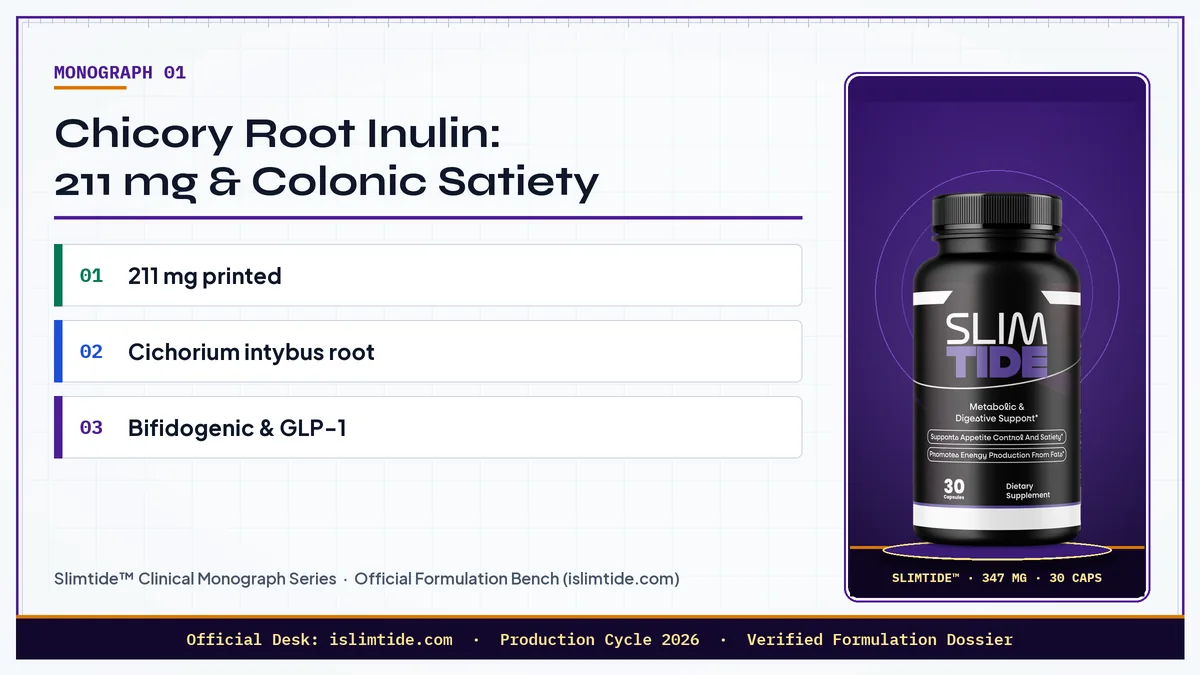
Chicory root inulin (Cichorium intybus root) is the primary quantitative ingredient in the Slimtide 347 mg once-daily synbiotic capsule, supplying 211 mg per serving (60.81% of total active mass) [1,2]. This monograph examines how beta-(2,1)-linked fructans bypass upper gastrointestinal digestion, selectively feed Bifidobacterium infantis in the proximal colon, stimulate short-chain fatty acid (SCFA) generation, and compare against multi-gram standalone prebiotic trials.
Botanical Origin & Beta-(2,1) Fructan Molecular Architecture
Chicory root inulin is a natural polydisperse storage carbohydrate extracted via hot-water diffusion from the taproots of Cichorium intybus L., a biennial plant in the Asteraceae family [2,3]. Chemically, native chicory inulin consists of a linear chain of D-fructose units joined by beta-(2,1) glycosidic linkages, typically terminated at the reducing end by a single alpha-D-glucopyranosyl moiety (yielding the structural shorthand GF_n, where G denotes glucose, F denotes fructose, and n represents the number of fructosyl units) [2]. Depending on harvest maturity and extraction fractionation, the degree of polymerization (DP) of chicory root inulin spans from 2 to 60 monomeric units, with native root extracts averaging a DP between 10 and 12 and short-chain oligofructose fractions ranging from DP 2 to 8 [4,5].
The beta-(2,1) configuration of the osidic bond is the defining biochemical feature of inulin-type fructans. Human salivary alpha-amylase, pancreatic alpha-amylase, and small-intestinal brush-border disaccharidases (sucrase-isomaltase and maltase-glucoamylase) are stereospecifically restricted to hydrolyzing alpha-(1,4) and alpha-(1,6) glucosidic linkages [2,6]. Consequently, when a Slimtide hypromellose capsule dissolves in the stomach and releases its 211 mg payload of Cichorium intybus root inulin, roughly 88% to 92% of those fructan chains transit intact through the duodenum, jejunum, and ileum without raising postprandial blood glucose or triggering an insulin excursion [7,8].
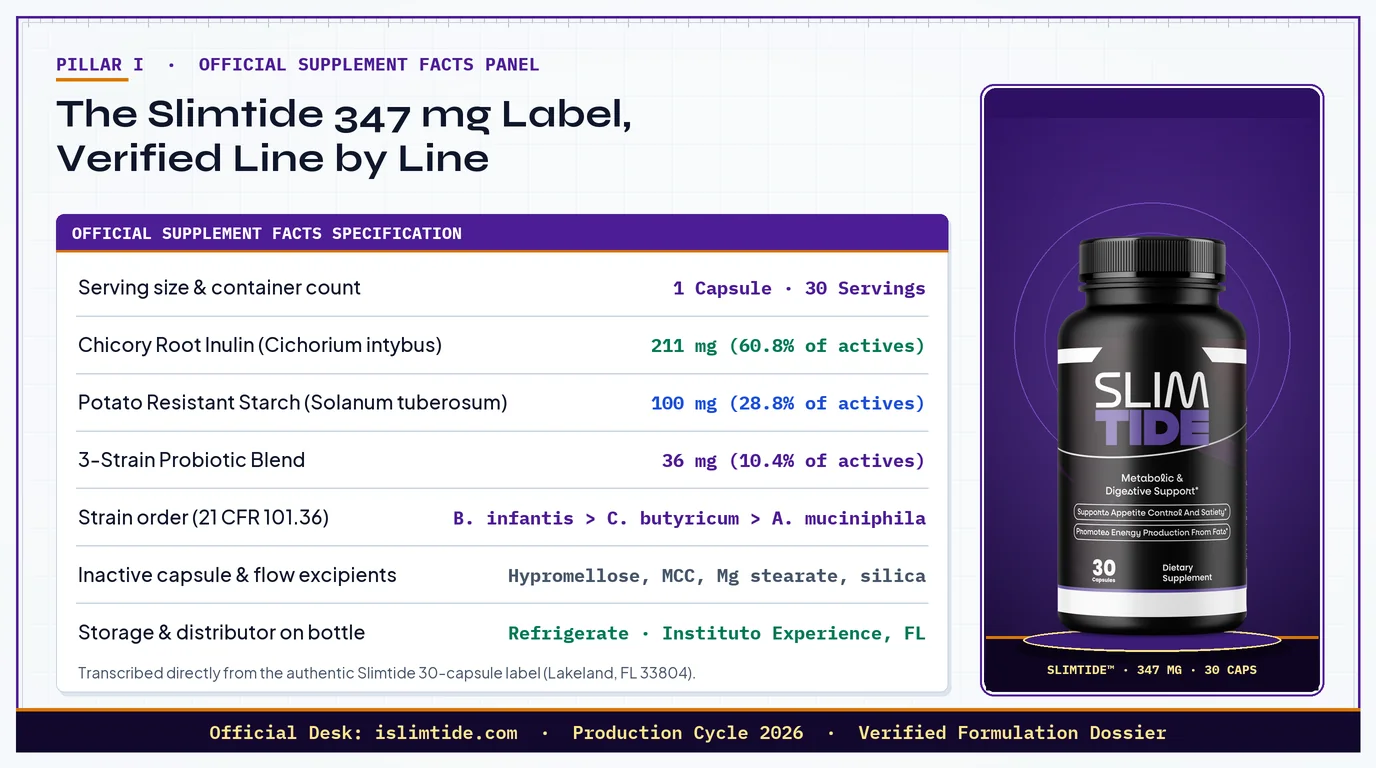
Chicory Root Inulin Specification on the Official Slimtide Label
- Printed Single-Capsule Dose (Cichorium intybus root)
- 211 mg
- Share of Total 347 mg Active Capsule Payload
- 60.81%
- Share of the 311 mg Prebiotic Fiber Matrix
- 67.85%
- Beta-(2,1) Fructan Polymerization Spectrum
- DP 2-60
Because intact beta-(2,1) fructans arrive quantitatively in the cecum and ascending colon, they satisfy all three criteria established by the International Scientific Association for Probiotics and Prebiotics (ISAPP) consensus panel for a true prebiotic: resistance to host enzymatic digestion, selective fermentation by beneficial residential or co-administered microorganisms, and conferral of a measurable physiological benefit to the host through metabolic signaling [2]. Within the Official Slimtide Supplement Facts panel, chicory root inulin is declared first on the label with an exact milligram disclosure rather than being hidden inside an unquantified herbal complex [1,9].
Selective Bifidogenic Cleavage & Proximal Colonic Fermentation Kinetics
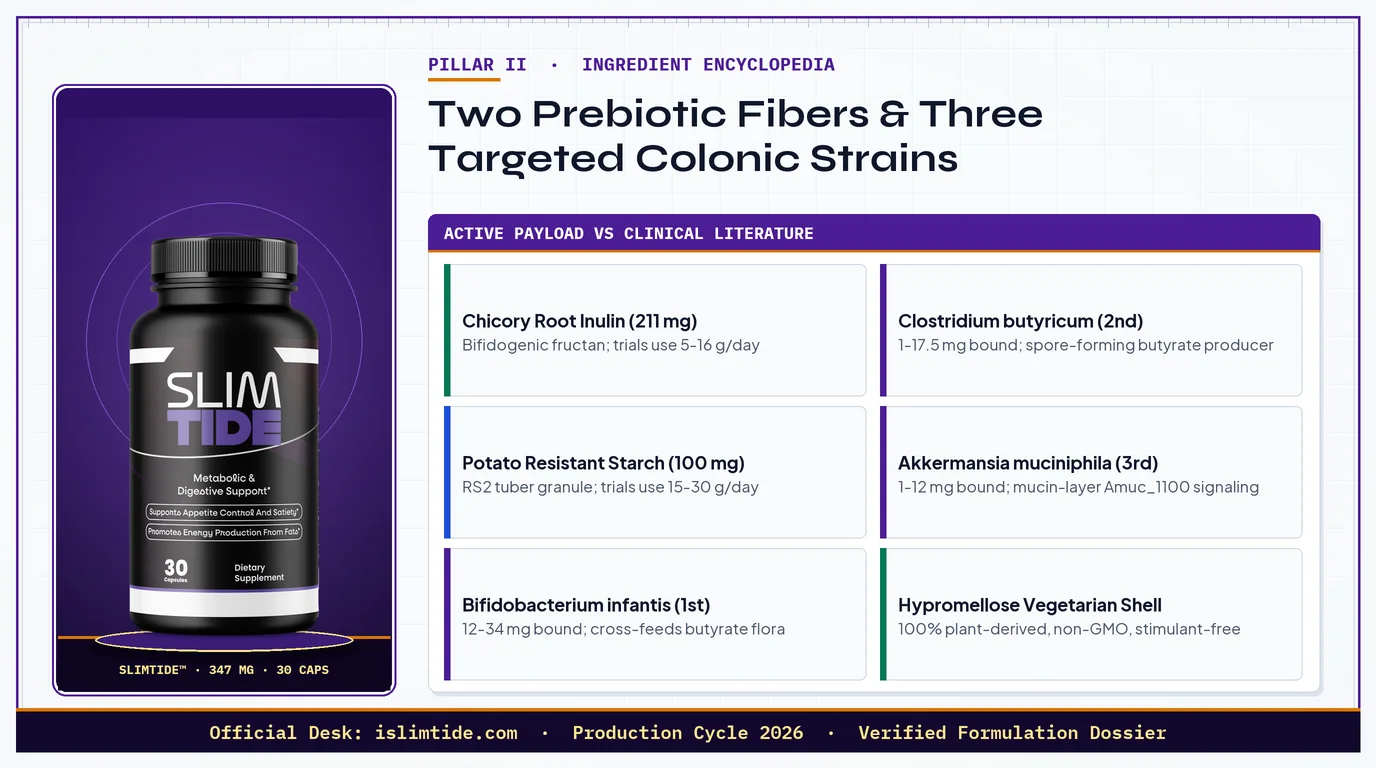
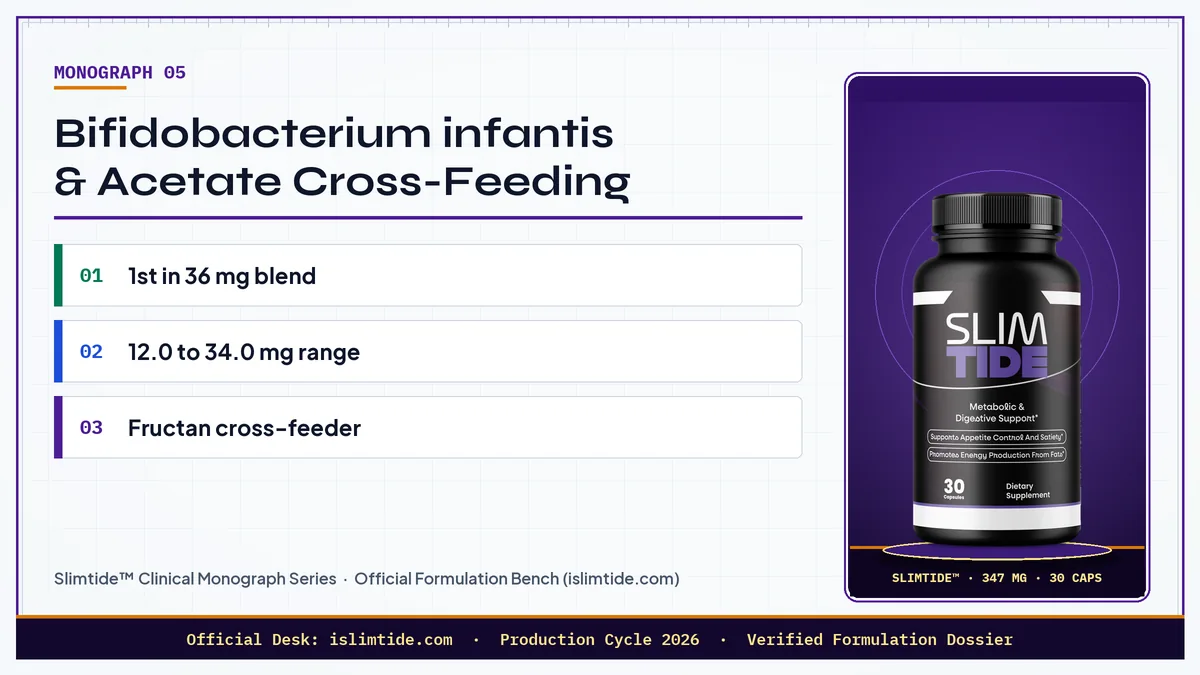
Once chicory root inulin enters the anaerobic environment of the cecum, its metabolic fate depends on bacterial beta-fructofuranosidases (inulinases and fructan beta-fructosidases belonging to glycoside hydrolase family GH32) [10,11]. Unlike broad-spectrum dietary plant cell walls that require complex cellulolytic consortia, shorter and medium-chain beta-(2,1) fructans are rapidly imported and cleaved by Bifidobacterium species, including the Bifidobacterium infantis strain co-formulated as the primary probiotic in Slimtide's 36 mg blend [1,12].
Bifidobacterium infantis possesses specialized ATP-binding cassette (ABC) carbohydrate transporters capable of internalizing intact oligofructose chains before intracellular GH32 enzymes cleave them into fructose-6-phosphate [10,11]. By importing the oligosaccharide prior to cleavage, Bifidobacterium infantis minimizes extracellular monosaccharide leakage that could otherwise feed opportunistic gas-producing Enterobacteriaceae or sulfate-reducing bacteria [10,13]. Inside the bifidobacterial cell, hexose sugars are catabolized through the unique "bifid shunt" (centered on the key enzyme fructose-6-phosphate phosphoketolase), which yields a theoretical stoichiometric ratio of 1.5 moles of acetate per 1.0 mole of lactate for every mole of hexose fermented, alongside formate and cellular ATP [10,6].
This metabolic handoff is the cornerstone of Slimtide's co-formulated synbiotic architecture. The acetate and L-lactate secreted by Bifidobacterium infantis during the fermentation of the 211 mg chicory root inulin substrate lower the luminal pH of the proximal colon (typically shifting cecal pH toward 5.5 to 6.2) and serve as direct carbon precursors for butyrate-producing Clostridia, including Clostridium butyricum [10,16,17]. Thus, rather than acting as an isolated dietary fiber, the 211 mg inulin dose functions as the starter fuel for a two-stage metabolic cascade inside the Slimtide ingredient system.
Enteroendocrine L-Cell Activation: FFAR2/FFAR3 to GLP-1 and PYY Signaling
The physiological bridge between colonic fructan fermentation and systemic appetite regulation is mediated by enteroendocrine L-cells distributed along the distal ileum and throughout the large intestine [18,19]. Enteroendocrine L-cells express two key G-protein-coupled short-chain fatty acid receptors on their apical and basolateral membranes: free fatty acid receptor 2 (FFAR2, formerly GPR43) and free fatty acid receptor 3 (FFAR3, formerly GPR41) [18,6].
When chicory root inulin is fermented into acetate, propionate, and cross-fed butyrate, millimolar concentrations of these organic acids bind to FFAR2 (which couples via Gq/11 and Gi/o proteins to trigger intracellular calcium mobilization) and FFAR3 [18,20]. Intracellular calcium (Ca2+) elevation triggers the exocytotic release of dense-core secretory granules containing two anorexigenic (satiety-inducing) peptide hormones:
- Glucagon-Like Peptide-1 (GLP-1): An incretin hormone that slows gastric emptying, enhances glucose-dependent pancreatic beta-cell insulin secretion, suppresses inappropriate glucagon release, and signals hypothalamic arcuate nucleus pro-opiomelanocortin (POMC) neurons to reduce meal size [4,18].
- Peptide YY (PYY, specifically
PYY3-36): A gut-derived satiety peptide that inhibits neuropeptide Y (NPY) and agouti-related peptide (AgRP) orexigenic neurons in the hypothalamus and slows ileal and colonic transit via the "ileal brake" mechanism [4,21].
In the landmark randomized, double-blind, placebo-controlled trial by Cani et al. (2009), healthy human volunteers supplemented with chicory oligofructose for two weeks exhibited significantly elevated postprandial plasma GLP-1 and PYY concentrations following a standardized test meal, accompanied by higher gut microbial hydrogen breath excretion and lower subjective hunger scores [4]. Subsequent randomized clinical trials in overweight, obese, and prediabetic cohorts by Dewulf et al. (2013), Guess et al. (2015), Visuthranukul et al. (2024), and Li et al. (2025) have reinforced that chicory inulin supplementation modulates gut microbiota composition, dampens postprandial glycemic and insulinemic responses, and reduces ectopic lipid accumulation [5,7,22,8]. For a deeper receptor-level breakdown of this pathway, review Protocol Dossier 07 on the SCFA to FFAR2/GLP-1/PYY axis.
Quantitative Dose Concordance: 211 mg Capsule Payload vs. Multi-Gram Clinical Trials
As the official formulation and direct supply bench for Slimtide, we enforce strict quantitative transparency regarding the difference between capsule-scale synbiotic co-delivery and standalone bulk powder trials [1,23]. Below is a direct comparison of published human clinical trials on Cichorium intybus inulin and oligofructose alongside the Slimtide single-capsule specification.
| Study / Reference | Cohort & Duration | Daily Inulin / Fructan Dose | Primary Measured Endpoints | Concordance With Slimtide (211 mg / Capsule) |
|---|---|---|---|---|
| Cani et al., 2009 [4] | 10 healthy adults; 2 weeks | 16,000 mg/day (16 g powder) | Increased plasma GLP-1 and PYY; reduced subjective hunger rates | 75.8x higher bulk mass than Slimtide's 211 mg capsule dose |
| Dewulf et al., 2013 [5] | 30 women with obesity; 3 months | 16,000 mg/day (50:50 inulin/OF) | Increased Bifidobacterium and Faecalibacterium; lower LPS | Bulk powder intervention; Slimtide pairs 211 mg with live strains |
| Guess et al., 2015 [7] | 44 prediabetic adults; 18 weeks | 30,000 mg/day (30 g escalated) | Greater weight loss (-7.6% vs -4.9%) and lower hepatic lipid | 142.2x higher mass; requires multi-scoop beverage mixing |
| Vandeputte et al., 2017 [3] | 44 adults, mild constipation; 4 weeks | 12,000 mg/day (12 g chicory inulin) | Selective Bifidobacterium expansion; improved stool frequency | 56.9x higher mass; standalone prebiotic without probiotic seed |
| Birkeland et al., 2020 [14] | 25 adults with T2D; 6 weeks crossover | 16,000 mg/day (16 g inulin-type) | Elevated bifidobacteria and fecal total SCFAs (+16% to +22%) | Standalone fiber trial; contrasts with capsule convenience |
| Pokushalov et al., 2024 [24] | 112 overweight adults; 12 weeks | Multi-strain probiotic + inulin | Improved body weight, BMI, waist circumference, and lipid profile | Demonstrates synergistic synbiotic pairing at capsule-friendly doses |
| Li et al., 2025 [8] | Meta-analysis of RCTs in T2D | 5,000 to 20,000 mg/day | Significant reductions in FPG, HbA1c, HOMA-IR, and fasting insulin | Confirms dose-dependent metabolic benefits across human RCTs |
| Slimtide Official Formula [1] | Once-daily adult synbiotic protocol | 211 mg chicory root inulin (+ 100 mg RS2 + 36 mg 3-strain blend) | Targeted micro-batch starter substrate + live microbial delivery | 1.32% to 4.22% of bulk powder mass; eliminates acute FODMAP bloat |
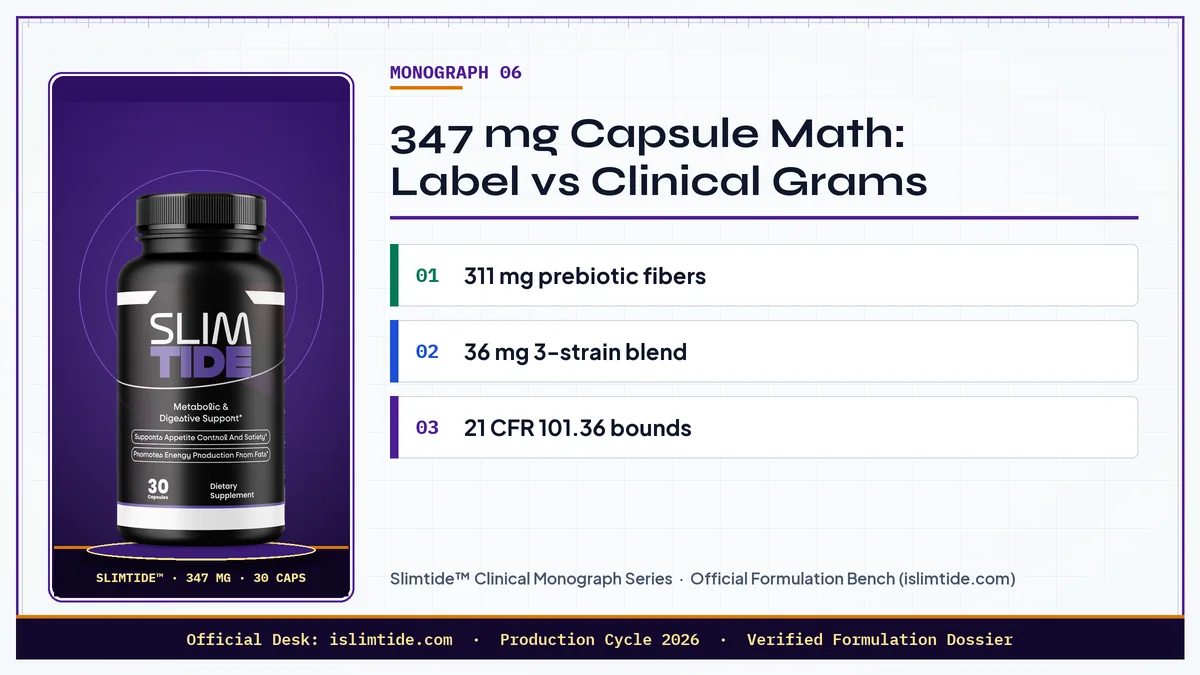
Why does Slimtide formulate chicory root inulin at 211 mg inside a once-daily vegetarian capsule rather than requiring a 12,000 mg to 16,000 mg scoop of loose powder? There are three quantitative formulation reasons [23,25]:
- Physical Volumetric Ceiling of a Size-0 Hypromellose Capsule: A standard vegetarian capsule shell holds approximately 350 mg to 500 mg of total combined active and excipient powder depending on bulk tapped density. Allocating 211 mg to chicory root inulin and 100 mg to potato resistant starch fills 89.63% of the active capsule budget while leaving 36 mg for the three lyophilized probiotic strains [1].
- Co-Localized Synbiotic Inoculation Efficiency: In standalone prebiotic trials (10 g to 30 g/day), the ingested fiber must diffuse through the entire colonic lumen hoping to encounter endogenous bifidobacteria, which are frequently depleted in overweight or Western-diet cohorts [5,23]. In Slimtide, the 211 mg chicory inulin payload is physically co-encapsulated with Bifidobacterium infantis and Clostridium butyricum, providing an immediate, co-localized metabolic starter substrate upon capsule dissolution [24,10].
- Avoidance of High-FODMAP Osmotic Bloating: Rapid ingestion of 10 g to 16 g of isolated chicory fructans frequently triggers acute colonic hydrogen (
H2) and methane (CH4) distension, abdominal cramping, and osmotic diarrhea, causing high dropout rates during the first 14 days [25,21]. Delivering 211 mg per capsule provides targeted prebiotic priming with minimal luminal gas pressure, while encouraging users to pair their daily capsule with whole-food dietary fibers (vegetables, legumes, oats, and cooled tubers) to reach total daily fiber targets comfortably [1].
Tolerability, FODMAP Sensitivity & Daily Protocol Integration
Even at a gentle 211 mg capsule dose, chicory root inulin is biologically active and undergoes rapid fermentation in the cecum [2,25]. Individuals with irritable bowel syndrome (IBS), small intestinal bacterial overgrowth (SIBO), or pronounced sensitivity to fructans (the "O" in FODMAPs: Fermentable Oligosaccharides, Disaccharides, Monosaccharides, and Polyols) may notice mild, transient borborygmi (stomach rumbling) or subtle shifts in stool frequency during Days 1 through 10 of their protocol [25,26].
To evaluate the full three-stage adaptation timeline, consult our 90-Day Synbiotic Adaptation & Satiety Log or inspect the complete How Slimtide Works mechanism guide. If you are ready to begin a 90-day or 180-day protocol backed by our 60-day money-back guarantee, you can review official direct packages here [27,28].
Frequently Asked Questions
Why does Slimtide contain 211 mg of chicory root inulin instead of 10 grams?
A standard once-daily vegetarian capsule has a physical payload capacity of roughly 350 to 450 mg. Slimtide allocates 211 mg (60.81% of its 347 mg active formula) to chicory root inulin so it acts as a co-encapsulated starter substrate for the live Bifidobacterium infantis and Clostridium butyricum strains without causing the severe gas, cramping, and osmotic bloating commonly seen with 10 to 16 gram bulk inulin powders [1,23,25].
Does the 211 mg chicory root inulin in Slimtide spike blood sugar or break a fast?
No. Chicory root inulin consists of beta-(2,1)-linked fructose chains that human salivary, pancreatic, and brush-border enzymes cannot cleave into absorbable glucose [2]. Plus, 211 mg of fiber provides less than 0.45 kilocalories of fermentable substrate, meaning it does not trigger an insulin spike or break a metabolic fast [7,8].
Can people with mild FODMAP sensitivity take 211 mg of chicory root inulin?
Clinical FODMAP threshold studies indicate that most individuals with fructan-sensitive irritable bowel syndrome react to isolated fructan loads above 2,000 mg to 5,000 mg (2 to 5 grams) [25]. At 211 mg per capsule, Slimtide delivers roughly one-tenth to one-twentieth of the typical FODMAP symptom threshold, though anyone with active SIBO or severe fructan intolerance should consult their gastroenterologist before starting [25,1].
How does chicory root inulin interact with Potato Resistant Starch in the capsule?
Chicory root inulin (211 mg) ferments more rapidly in the cecum and proximal ascending colon to feed Bifidobacterium infantis and generate acetate and lactate [10]. Potato resistant starch (100 mg) is a crystalline B-type granule that ferments more slowly along the transverse and distal colon to support sustained butyrate synthesis [29,30]. Together they provide staggered longitudinal fermentation across the large intestine.
Scientific & Regulatory References
Numbered in order of first appearance on this page. Primary peer-reviewed citations link directly to PubMed (NCBI/NLM) and eCFR records verified on November 15, 2026.
- Slimtide Official Supplement Facts Panel (30 Capsules; 211 mg Chicory Root Inulin, 100 mg Potato Resistant Starch, 36 mg Probiotic Blend; Distributed by Instituto Experience, Lakeland FL 33804). Verified November 15, 2026. Official Record
- Gibson GR, Hutkins R, Sanders ME, et al. Expert consensus document: The International Scientific Association for Probiotics and Prebiotics (ISAPP) consensus statement on the definition and scope of prebiotics. Nat Rev Gastroenterol Hepatol. 2017;14(8):491-502. PMID 28611480. PubMed
- Vandeputte D, Falony G, Vieira-Silva S, et al. Prebiotic inulin-type fructans induce specific changes in the human gut microbiota. Gut. 2017;66(11):1968-1974. PMID 28213610. PubMed
- Cani PD, Lecourt E, Dewulf EM, et al. Gut microbiota fermentation of prebiotics increases satietogenic and incretin gut peptide production with consequences for appetite sensation and glucose response after a meal. Am J Clin Nutr. 2009;90(5):1236-43. PMID 19776140. PubMed
- Dewulf EM, Cani PD, Claus SP, et al. Insight into the prebiotic concept: lessons from an exploratory, double blind intervention study with inulin-type fructans in obese women. Gut. 2013;62(8):1112-21. PMID 23135760. PubMed
- Koh A, De Vadder F, Kovatcheva-Datchary P, et al. From Dietary Fiber to Host Physiology: Short-Chain Fatty Acids as Key Bacterial Metabolites. Cell. 2016;165(6):1332-1345. PMID 27259147. PubMed
- Guess ND, Dornhorst A, Oliver N, et al. A randomized controlled trial: the effect of inulin on weight management and ectopic fat in subjects with prediabetes. Nutr Metab (Lond). 2015;12:36. PMID 26500686. PubMed
- Li J, Liu F, Luo Y, et al. Differential effects of inulin and fructooligosaccharides on gut microbiota composition and glycemic metabolism in overweight/obese and healthy individuals: a randomized, double-blind clinical trial. BMC Med. 2025;23(1):372. PMID 40598275. PubMed
- 21 CFR 101.36. Nutrition labeling of dietary supplements (proprietary blends listed in descending order of predominance by weight). Official Record
- Rivière A, Selak M, Lantin D, et al. Bifidobacteria and Butyrate-Producing Colon Bacteria: Importance and Strategies for Their Stimulation in the Human Gut. Front Microbiol. 2016;7:979. PMID 27446020. PubMed
- Henrick BM, Rodriguez L, Lakshmikanth T, et al. Bifidobacteria-mediated immune system imprinting early in life. Cell. 2021;184(15):3884-3898.e11. PMID 34143954. PubMed
- Zhang H, Wang J, Shen J, et al. Prophylactic supplementation with Bifidobacterium infantis or its metabolite inosine attenuates cardiac ischemia/reperfusion injury. Imeta. 2024;3(4):e220. PMID 39135700. PubMed
- Yang M, Jiang Z, Zhou L, et al. 3'-Sialyllactose and B. infantis synergistically alleviate gut inflammation and barrier dysfunction by enriching cross-feeding bacteria for short-chain fatty acid biosynthesis. Gut Microbes. 2025;17(1):2486512. PMID 40195063. PubMed
- Birkeland E, Gharagozlian S, Birkeland KI, et al. Prebiotic effect of inulin-type fructans on faecal microbiota and short-chain fatty acids in type 2 diabetes: a randomised controlled trial. Eur J Nutr. 2020;59(7):3325-3338. PMID 32440730. PubMed
- Puhlmann ML, Wegh CAM, van der Zalm SCC, et al. Inulin-induced improvements on bowel habit and gut microbiota in adults with functional constipation: findings of a randomized, double-blind, placebo-controlled study. BMC Gastroenterol. 2025;25(1):806. PMID 41233756. PubMed
- Stoeva MK, Garcia-So J, Justice N, et al. Butyrate-producing human gut symbiont, Clostridium butyricum, and its role in health and disease. Gut Microbes. 2021;13(1):1-28. PMID 33874858. PubMed
- Perraudeau F, McMurdie P, Bullard J, et al. Improvements to postprandial glucose control in subjects with type 2 diabetes: a multicenter, double blind, randomized placebo-controlled trial of a novel probiotic formulation. BMJ Open Diabetes Res Care. 2020;8(1). PMID 32675291. PubMed
- Tolhurst G, Heffron H, Lam YS, et al. Short-chain fatty acids stimulate glucagon-like peptide-1 secretion via the G-protein-coupled receptor FFAR2. Diabetes. 2012;61(2):364-71. PMID 22190648. PubMed
- Blaak EE, Canfora EE, Theis S, et al. Short chain fatty acids in human gut and metabolic health. Benef Microbes. 2020;11(5):411-455. PMID 32865024. PubMed
- Mann ER, Lam YK, Uhlig HH. Short-chain fatty acids: linking diet, the microbiome and immunity. Nat Rev Immunol. 2024;24(8):577-595. PMID 38565643. PubMed
- Buddington RK, Kapadia C, Neumer F, et al. Oligofructose Provides Laxation for Irregularity Associated with Low Fiber Intake. Nutrients. 2017;9(12). PMID 29258261. PubMed
- Visuthranukul C, Sriswasdi S, Tepaamorndech S, et al. Enhancing gut microbiota and microbial function with inulin supplementation in children with obesity. Int J Obes (Lond). 2024;48(12):1696-1704. PMID 39033197. PubMed
- Salminen S, Collado MC, Endo A, et al. The International Scientific Association of Probiotics and Prebiotics (ISAPP) consensus statement on the definition and scope of postbiotics. Nat Rev Gastroenterol Hepatol. 2021;18(9):649-667. PMID 33948025. PubMed
- Pokushalov E, Ponomarenko A, Garcia C, et al. The Impact of Glucomannan, Inulin, and Psyllium Supplementation (Soloways(TM)) on Weight Loss in Adults with FTO, LEP, LEPR, and MC4R Polymorphisms: A Randomized, Double-Blind, Placebo-Controlled Trial. Nutrients. 2024;16(4). PMID 38398881. PubMed
- Halmos EP. When the low FODMAP diet does not work. J Gastroenterol Hepatol. 2017;32 Suppl 1:69-72. PMID 28244666. PubMed
- Whorwell PJ, Altringer L, Morel J, et al. Efficacy of an encapsulated probiotic Bifidobacterium infantis 35624 in women with irritable bowel syndrome. Am J Gastroenterol. 2006;101(7):1581-90. PMID 16863564. PubMed
- Slimtide Official U.S. Store Package Schedule (2 Bottles $158 + $9.99 S&H; 3 Bottles $207 Free S&H + 6 Bonuses; 6 Bottles $294 Free S&H + 6 Bonuses). Verified November 15, 2026. Official Record
- Slimtide Official 60-Day Money-Back Guarantee & Return Protocol (Instituto Experience Return Depot, 11870 62nd St N, Largo, FL 33773). Verified November 15, 2026. Official Record
- Birt DF, Boylston T, Hendrich S, et al. Resistant starch: promise for improving human health. Adv Nutr. 2013;4(6):587-601. PMID 24228189. PubMed
- Robertson MD, Bickerton AS, Dennis AL, et al. Insulin-sensitizing effects of dietary resistant starch and effects on skeletal muscle and adipose tissue metabolism. Am J Clin Nutr. 2005;82(3):559-67. PMID 16155268. PubMed